
Anne Douglas
LMFTNorth Carolina · 25 yrs exp
Experienced LMFT focused on healing and relationships
Stress, Anxiety · Relationship · Family · Grief · +15 more
Read profileTherapist listings are provided by BetterHelp. We will earn a commission at no extra cost to you if you use our links to buy.
This page lists clinicians who specialize in self esteem concerns related to brain injury. Explore profiles to learn about their focus areas, approaches, credentials, languages, and experience.
Browse the listings below to find professionals who describe work with self esteem and related challenges, and click through to read individual profiles and approach descriptions.
North Carolina · 25 yrs exp
Experienced LMFT focused on healing and relationships
Stress, Anxiety · Relationship · Family · Grief · +15 more
Read profile
Colorado · 19 yrs exp
Compassionate, practical therapy for life transitions
Stress, Anxiety · Relationship · Trauma and abuse · Grief · +12 more
Read profile
Texas · 13 yrs exp
Compassionate, practical therapy for everyday struggles
Stress, Anxiety · Relationship · Trauma and abuse · Anger · +11 more
Read profile
Oregon · 26 yrs exp
Practical, experienced support for emotional recovery
Stress, Anxiety · Trauma and abuse · Grief · Depression · +10 more
Read profile
North Carolina · 10 yrs exp
Faith-informed clinical social worker
Stress, Anxiety · Relationship · Family · Bipolar · +16 more
Read profile
New York · 35 yrs exp
Compassionate practical support for life challenges
Stress, Anxiety · Self esteem · Career · ADHD · +10 more
Read profile
Texas · 10 yrs exp
Helping people move forward with practical tools
Stress, Anxiety · Relationship · Family · Depression · +14 more
Read profile
Arizona · 30 yrs exp
Compassionate counselor with decades of experience
Stress, Anxiety · Trauma and abuse · Self esteem · Career · +11 more
Read profile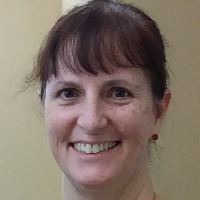
Florida · 32 yrs exp
Experienced relational therapist focused on real change
Stress, Anxiety · Addictions · Relationship · Family · +13 more
Read profile
Florida · 20 yrs exp
Compassionate care for complex life challenges
Addictions · Relationship · Trauma and abuse · Parenting · +14 more
Read profile
Georgia · 17 yrs exp
Practical, person-centered help for trauma and life change
Relationship · Family · Trauma and abuse · Career · +13 more
Read profile
Florida · 24 yrs exp
Compassionate counselor helping people find practical solutions
Stress, Anxiety · Addictions · Grief · Self esteem · +14 more
Read profile
Illinois · 12 yrs exp
Compassionate, practical therapy for real-life change
Trauma and abuse · Self esteem · Coping with life changes · Coaching · +8 more
Read profile
Florida · 33 yrs exp
Practical, empathetic care for life transitions
Stress, Anxiety · LGBT · Relationship · Eating · +8 more
Read profile
North Carolina · 8 yrs exp
Straightforward, practical therapy focused on real-life change
Stress, Anxiety · Trauma and abuse · Parenting · Anger · +8 more
Read profile
New York · 25 yrs exp
Compassionate LCSW for practical emotional support
Stress, Anxiety · Grief · Anger · Self esteem · +6 more
Read profile
Texas · 26 yrs exp
Hopeful, patient counselor for adult challenges
Stress, Anxiety · Relationship · Trauma and abuse · Grief · +11 more
Read profile
Michigan · 13 yrs exp
Practical, person-centered counseling for life challenges
Stress, Anxiety · Addictions · Trauma and abuse · Depression · +16 more
Read profile
Illinois · 10 yrs exp
Compassionate therapist focused on practical growth
Stress, Anxiety · Trauma and abuse · Grief · Self esteem · +11 more
Read profile
Texas · 18 yrs exp
Compassionate counselor with lived recovery experience
Stress, Anxiety · Addictions · LGBT · Relationship · +14 more
Read profile
Wisconsin · 30 yrs exp
Compassionate counseling for life's hard transitions
Stress, Anxiety · Relationship · Family · Trauma and abuse · +9 more
Read profile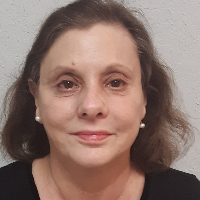
Florida · 32 yrs exp
Experienced LCSW focused on practical coping
Stress, Anxiety · Trauma and abuse · Grief · Depression · +14 more
Read profile
Michigan · 15 yrs exp
Practical support for life change and healing
Stress, Anxiety · LGBT · Relationship · Depression · +16 more
Read profile
Texas · 17 yrs exp
Compassionate counseling for real-life challenges
Stress, Anxiety · Addictions · Self esteem · Bipolar · +15 more
Read profileSelf esteem is the sense of worth and value you assign to yourself. After a brain injury, whether mild or more severe, many people notice shifts in how they view themselves. Changes in memory, attention, physical abilities, role in the family, employment status, or social participation can all affect the stories you tell about who you are. That shift in identity can feel disorienting and lead to questions about competence, attractiveness, and belonging. Emotions such as shame, frustration, grief, and anxiety often accompany those shifts and can feed negative self-evaluations.
When self esteem is affected by a brain injury, it is not only an internal experience. Low self worth can influence relationships, motivation, and how you approach rehabilitation or daily tasks. You might find yourself avoiding social situations, comparing current abilities to past ones, or doubting your capacity to adapt. Recognizing the ways self esteem shows up - in thoughts, emotions, choices, and behavior - is a helpful first step toward addressing it. Therapy focused on self esteem often explores how injury-related changes intersect with long-standing beliefs about yourself, and how new narratives can be developed to support daily functioning and well-being.
There are common patterns that suggest professional support could be useful. You may experience persistent negative self-talk, frequent self-blame, or a tendency to minimize accomplishments. You might notice avoidance of activities that used to bring joy because of fear of failure or judgment. Another sign is a disproportionate reaction to setbacks - where a single mistake triggers sweeping conclusions about your worth. Social withdrawal, difficulty advocating for your needs, or recurrent feelings of shame linked to changes since the injury are also meaningful indicators.
Therapy can be particularly helpful when low self esteem interferes with recovery goals, work, relationships, or daily routines. If you find mood changes, strained connections, or decreased participation in valued activities are tied to how you feel about yourself, targeted support can help. Therapy offers a space to explore the roots of self-evaluations and to practice alternative perspectives and behaviors that support functioning. Importantly, seeking support is a step toward regaining agency and building a more balanced self-view, rather than a sign of failure.
When you begin therapy for self esteem, the work typically centers on understanding your current self-concept and how it developed. Early sessions often involve sharing your story - what changed after the injury, how roles and routines shifted, and which beliefs about yourself feel most present. A clinician will ask about thoughts, feelings, and situations that trigger negative self-evaluation, and about strengths and values that remain important to you. You can expect a collaborative process in which goals are defined to match your priorities, whether that is rebuilding confidence in daily tasks, improving social participation, or reframing long-held self-criticism.
Therapy sessions often blend reflective conversation with practical exercises. You may work on identifying and challenging unhelpful thoughts, practicing new ways of communicating needs, and experimenting with small behaviors that reinforce competence. Homework between sessions can include journaling, behavioral experiments, or skill practice tailored to cognitive and energy levels after brain injury. Progress is typically gradual and individualized; your therapist will adjust pacing and methods to align with your cognitive strengths and fatigue levels. Over time, the aim is to help you develop a more balanced narrative about yourself that supports meaningful engagement in life.
Cognitive behavioral methods focus on the connection between thoughts, feelings, and actions. In this context, you will explore patterns of negative self-talk and learn techniques to test and reframe unhelpful beliefs. Therapists who list CBT among their approaches often use structured exercises to identify automatic thoughts, examine evidence for and against harsh self-judgments, and build alternative, more realistic appraisals. Behavioral experiments can be especially useful - trying out small tasks that disconfirm self-doubt and then reflecting on the outcome.
Narrative approaches attend to the stories you tell about yourself. After brain injury, narratives can become dominated by loss or decline. Work in this vein helps you examine the dominant themes in your self-story, recognize external influences on that story, and author alternative narratives that integrate change without erasing strengths. This work often includes exploring values and past successes to craft a more complex, resilient sense of self.
Mindfulness and acceptance-oriented approaches teach skills to observe thoughts and feelings without over-identifying with them. For self esteem, this can mean learning to notice self-critical thoughts without acting on them, reducing rumination, and increasing present-moment engagement in valued activities. Therapists who list acceptance-based approaches among their tools may incorporate practices that build self-compassion and reduce the tendency to avoid difficult emotions linked to identity changes.
Practical skill-building supports confidence through action. This can include social skills practice, activity scheduling to rebuild competence in daily routines, problem-solving training, and strategies for managing cognitive challenges that affect performance. Therapists who list behavioral activation or rehabilitation-informed approaches often focus on small, achievable steps that create positive feedback loops - successes that strengthen belief in capability.
Online therapy can expand options for working on self esteem, especially if mobility, geography, or fatigue make in-person sessions difficult. Sessions typically occur via video or phone and follow a similar structure to in-person care - assessment, collaborative goal setting, skill practice, and reflection. You can expect adaptations for the virtual format, such as shared digital worksheets, screen-shared guided exercises, and recorded mindfulness practices. Some clinicians also use messaging between sessions for brief check-ins, though this varies by provider.
Using online therapy, you may find it easier to include family members or support persons in certain sessions, or to practice social skills in the same environment where you navigate daily life. Attention to pacing and screen fatigue is important; therapists who describe experience with brain injury often tailor session length and homework to cognitive endurance. As with any format, establish clear expectations about communication, goals, and the structure of sessions at the outset.
Selecting a therapist is a personal process that is helped by clarifying what matters most to you. Consider the types of experience and approaches that resonate with you, such as cognitive behavioral methods, narrative identity work, mindfulness practices, or rehabilitation-informed behavioral strategies. Look for clinicians who describe experience with brain injury or with populations who have overlapping concerns, and who explain how they adapt methods for cognitive changes. Languages spoken, professional credentials, and personal style - how they describe the therapeutic relationship - are useful pieces of information when deciding who to learn more about.
When reviewing profiles, pay attention to how a clinician describes their approach to self esteem. Some highlight structured, skills-based work, while others emphasize story-based or emotion-focused processes. Think about the pace and balance you prefer between reflective exploration and practical exercises. It can be helpful to prepare questions about how they tailor sessions for cognitive fatigue, what a typical session looks like, and how progress is assessed. Choosing a therapist is about finding someone whose orientation and way of working feel like a comfortable fit for the work you want to do.
Working on self esteem after brain injury is often a gradual process of reclaiming agency, reworking narratives, and strengthening daily routines that reinforce value. Whether you pursue in-person or online sessions, the right therapeutic relationship can offer new perspectives, practical tools, and a supportive context for rebuilding a more resilient sense of self.
Alabama
12 therapists
Alaska
2 therapists
Arizona
17 therapists
Arkansas
8 therapists
Australia
40 therapists
California
79 therapists
Colorado
57 therapists
Connecticut
6 therapists
Delaware
4 therapists
District of Columbia
1 therapist
Florida
168 therapists
Georgia
40 therapists
Hawaii
2 therapists
Idaho
13 therapists
Illinois
50 therapists
Indiana
21 therapists
Iowa
6 therapists
Kansas
9 therapists
Kentucky
21 therapists
Louisiana
13 therapists
Maine
5 therapists
Maryland
21 therapists
Massachusetts
21 therapists
Michigan
65 therapists
Minnesota
31 therapists
Mississippi
6 therapists
Missouri
29 therapists
Montana
17 therapists
Nebraska
12 therapists
Nevada
3 therapists
New Hampshire
6 therapists
New Jersey
24 therapists
New Mexico
6 therapists
New York
67 therapists
North Carolina
56 therapists
North Dakota
2 therapists
Ohio
37 therapists
Oklahoma
28 therapists
Oregon
12 therapists
Pennsylvania
50 therapists
Rhode Island
2 therapists
South Carolina
23 therapists
South Dakota
3 therapists
Tennessee
23 therapists
Texas
130 therapists
United Kingdom
243 therapists
Utah
20 therapists
Vermont
1 therapist
Virginia
23 therapists
Washington
16 therapists
West Virginia
2 therapists
Wisconsin
33 therapists
Wyoming
10 therapists