Part 1 of 4
- 15 years experience
- Values-based care
- Mindfulness and CBT
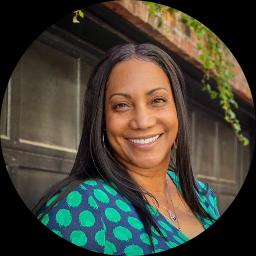
About Rhonda
Rhonda helps people identify what underlies strong emotions and develops coping skills they can use day to day. She draws on methods such as cognitive behavioral work and mindfulness to shift unhelpful thoughts and build routines that support sleep, eating, and energy. She also uses acceptance and commitment ideas to clarify values and steady choices during transitions.
Her background includes supporting people through grief, relationship and intimacy concerns, substance issues, and trauma-related struggles. She also works with concerns such as ADHD, bipolar mood challenges, compassion fatigue, and caregiving stress. Rhonda pays attention to how attachment and past losses affect current behavior and relationships.
Sessions focus on practical tools and honest conversation. Clients can expect to practice new skills between visits and to set small goals that fit daily life. Rhonda aims to help each person find more balance, better self-esteem, and clearer direction.
She invites people who are facing difficult transitions or persistent emotional patterns to begin a conversation and see if her style is a good fit for their needs.
Part 2 of 4
Therapeutic approaches for online work and daily life
Acceptance and Commitment Therapy, or ACT, helps people notice hard thoughts without getting stuck in them and then choose actions that match what matters most. This approach can help with anxiety, depression, and major life transitions by focusing on values and small behavioral steps.Mindfulness Therapy teaches simple attention and breathing practices to reduce reactivity and improve sleep, eating, and stress management. Cognitive Behavioral Therapy, or CBT, looks at patterns of thinking and behavior and gives concrete exercises to change unhelpful habits and improve mood and functioning.
Finding the right approach is part of the work. The therapist will talk with each person about goals, preferences, and what feels helpful. Together they will try approaches that match the situation and adjust as needed in a collaborative way.
Confirm current session options before booking so you know how sessions are offered. Online work can make it easier to fit therapy into a busy week, allow shorter check-ins when needed, and remove travel time. It can also let people try techniques with real-life routines and practice skills between visits.
Part 3 of 4
Areas of expertise
Primary focus
Also works with
Additional focus areas
Therapeutic approaches
Experience
15+ years
Credentials
Michigan
Languages
English
Part 4 of 4
Frequently asked questions
What kinds of problems does this therapist help with?
Common concerns include stress, anxiety, depression, relationship and intimacy issues, trauma and abuse, grief, addictions, parenting and sleep or eating problems.
What is the therapy style like?
Rhonda uses a collaborative, down-to-earth style. She listens first, then works with clients on practical steps and skills to try between sessions.
How much experience does the clinician have?
The clinician has 15 years of practice providing mental health support in Michigan.
What are the clinician's credentials and location?
She is listed as LMSW, which stands for Licensed Master Social Worker, and practices in Michigan.
Are sessions offered in other languages or internationally?
Sessions are offered in English. International clients are not currently accepted.
What session formats are used?
Please confirm current session options before booking so you know what formats are available for appointments.
How does cost or payment work?
Cost varies with location and therapist availability. Sessions use a subscription that can be canceled at any time.
How do I start therapy with this clinician?
Select the Start Therapy button, complete a short matching questionnaire, and schedule according to therapist availability.