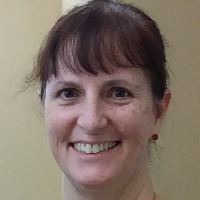
Dr. Melinda Lawless Coker
LMFTFlorida · 32 yrs exp
Experienced relational therapist focused on real change
Stress, Anxiety · Addictions · Relationship · Family · +13 more
Read profileTherapist listings are provided by BetterHelp. We will earn a commission at no extra cost to you if you use our links to buy.
Welcome to the Florida online therapist directory for brain injury support. All therapists listed here are licensed in Florida, and profiles include their focus areas, credentials, approaches, and languages. Explore the listings to learn more about professionals who work with brain injury-related concerns.
Florida · 32 yrs exp
Experienced relational therapist focused on real change
Stress, Anxiety · Addictions · Relationship · Family · +13 more
Read profile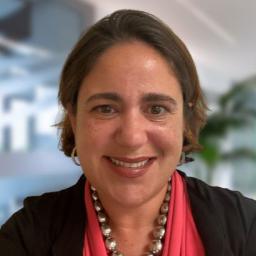
Florida · 20 yrs exp
Compassionate care for complex life challenges
Addictions · Relationship · Trauma and abuse · Parenting · +14 more
Read profile
Florida · 24 yrs exp
Compassionate counselor helping people find practical solutions
Stress, Anxiety · Addictions · Grief · Self esteem · +14 more
Read profile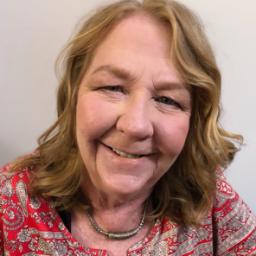
Florida · 33 yrs exp
Practical, empathetic care for life transitions
Stress, Anxiety · LGBT · Relationship · Eating · +8 more
Read profile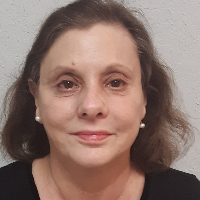
Florida · 32 yrs exp
Experienced LCSW focused on practical coping
Stress, Anxiety · Trauma and abuse · Grief · Depression · +14 more
Read profile
Florida · 19 yrs exp
Practical, goal-focused therapy with empathy
Stress, Anxiety · Trauma and abuse · Grief · Depression · +9 more
Read profile
Florida · 16 yrs exp
Practical, research-informed support for life changes
Stress, Anxiety · Relationship · Parenting · Self esteem · +8 more
Read profile
Florida · 11 yrs exp
Listener who helps you find next steps
Stress, Anxiety · Trauma and abuse · Grief · Depression · +8 more
Read profile
Florida · 13 yrs exp
Experienced therapist focused on practical healing
Relationship · Family · Trauma and abuse · Intimacy-related issues · +12 more
Read profile
Florida · 25 yrs exp
Practical therapy for life’s hard moments
Stress, Anxiety · Relationship · Family · Self esteem · +13 more
Read profile
Florida · 42 yrs exp
Seasoned LCSW focused on practical healing
Stress, Anxiety · Addictions · Relationship · Trauma and abuse · +15 more
Read profile
Florida · 34 yrs exp
Practical support for caregivers and parents
Stress, Anxiety · Family · Parenting · Coaching · +11 more
Read profile
Florida · 8 yrs exp
Practical support for life’s tough moments
Stress, Anxiety · Addictions · Trauma and abuse · Parenting · +14 more
Read profile
Florida · 30 yrs exp
Experienced LMHC helping people rebuild and cope
Stress, Anxiety · Relationship · Family · Self esteem · +15 more
Read profile
Florida · 3 yrs exp
Practical, goal-focused therapy for daily challenges
Stress, Anxiety · Relationship · Family · Grief · +13 more
Read profile
Florida · 26 yrs exp
Experienced LCSW focused on practical support
Stress, Anxiety · Relationship · Trauma and abuse · Depression
Read profile
Florida · 32 yrs exp
Experienced Florida LMHC focused on practical care
Stress, Anxiety · Trauma and abuse · Parenting · Depression · +16 more
Read profile
Florida · 12 yrs exp
Compassionate, practical therapy for life challenges
Stress, Anxiety · Relationship · Intimacy-related issues · Self esteem · +16 more
Read profile
Florida · 11 yrs exp
Compassionate counselor focused on practical coping
Addictions · LGBT · Trauma and abuse · Grief · +12 more
Read profile
Florida · 14 yrs exp
Calm, practical therapy for life transitions
Stress, Anxiety · Trauma and abuse · Bipolar · Depression · +1 more
Read profile
Florida · 7 yrs exp
Compassionate trauma-informed therapy for adults
Stress, Anxiety · Trauma and abuse · Self esteem · Depression · +14 more
Read profile
Florida · 25 yrs exp
Practical, experienced counseling for life's challenges
Stress, Anxiety · Trauma and abuse · Self esteem · Depression · +1 more
Read profile
Florida · 20 yrs exp
Compassionate, practical support for life changes
Relationship · Family · Grief · Depression · +1 more
Read profile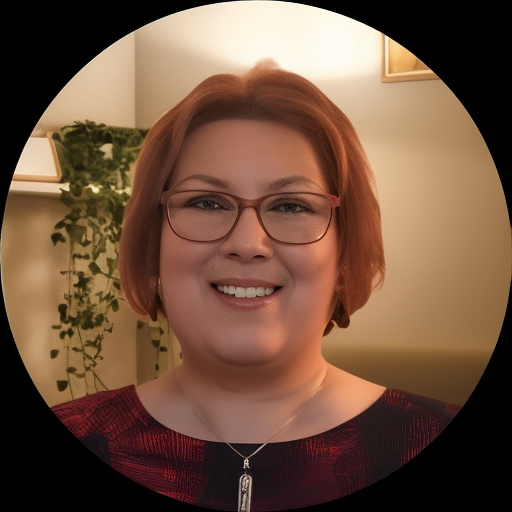
Florida · 30 yrs exp
Practical, bilingual care for stress and trauma
Stress, Anxiety · Relationship · Trauma and abuse · Self esteem · +2 more
Read profileOnline therapy has become a common way to connect with licensed mental health professionals across Florida. State rules generally require that a clinician be licensed in the state where you are located when you receive services, which means that practitioners who serve Florida residents will hold a Florida license. Telehealth practices vary by provider, and the technological tools used to deliver sessions can differ, but the underlying requirement is that the therapeutic relationship is governed by Florida law and professional standards. When you look through listings, you will see information that helps you identify practitioners who list remote work among their approaches and who identify Florida licensure.
Because Florida includes dense urban centers and wide rural areas, remote sessions are often used to reach people living at a distance from major clinics or to maintain care across life transitions. Remote care is also subject to the same ethical and legal considerations as in-person work, including informed consent, recordkeeping, and emergency planning. As you research therapists, you can expect to find profiles that describe clinical focus, typical approaches, and experience relating to brain injury concerns, along with how the clinician conducts remote work within Florida.
If you live in Florida you may find remote therapy makes it easier to integrate treatment into your life. Online sessions remove travel time to an office and can reduce the effort of coordinating transportation for someone with cognitive or mobility changes. Remote sessions can often be scheduled around work, caregiving duties, or medical appointments so that you can connect from home, a family member's home, or another safe setting. For those in smaller towns or islands, online care can broaden the range of clinicians you can consider without relocating or enduring long commutes.
Beyond convenience, online formats can support continuity during seasonal weather events or when life circumstances change quickly. You will still want to plan for technological needs such as a stable internet connection and a device with video capability. Creating a quiet personal space for sessions and having a backup plan for interruptions will help sessions run smoothly. Many people report that being in a familiar setting can reduce stress in early sessions, while others prefer an in-person office; your preferences and comfort are important when choosing a clinician.
Therapists who work with brain injury often address a range of cognitive, emotional, and social challenges that can follow a neurological event. You may find clinicians who list approaches tailored to adjustment after injury, mood support, anxiety management, family and caregiver collaboration, and strategies to manage memory or attention changes. Many therapists also work with identity shifts that follow an injury, the stress of navigating medical and rehabilitation systems, and changes in relationships or work roles.
Because brain injury can affect thinking and emotional regulation in complex ways, remote clinicians frequently collaborate with other members of a care team, such as medical providers, vocational specialists, and rehabilitation services. Profiles in the directory often note areas of focus like coping with post-injury fatigue, returning to work or school, family dynamics, and communication strategies. You may also see clinicians who list particular therapeutic approaches among those they use in practice. Remember that a listed approach means the practitioner includes it among their methods, and it does not indicate a verified credential in that modality.
Verifying a therapist's license is an important step in your search. Florida maintains public license verification resources where you can check a professional's licensure status, active discipline history, and license type. To perform a check you will typically need the therapist's full name and ideally the license type such as psychologist, clinical social worker, mental health counselor, or marriage and family therapist. The state license lookup will show whether the license is active, expired, or subject to any public board actions. If a profile lists a license from another state, note that cross-state credentials do not replace Florida licensure for providing services to Florida residents.
When reviewing a practitioner's record, look for the license number and issuance dates, as well as any public notices from licensing boards. If you have questions about how to interpret information on a public record or want to confirm details beyond what appears online, the state board offices can be contacted directly for guidance. Verifying licensure helps you confirm that a clinician is operating under Florida's regulatory framework and gives you insight into their official standing.
Starting remote therapy begins with clarifying what you want to address and then using profile details to find clinicians who list relevant experience and approaches. Focus on the therapist's stated clinical interests, professional credentials, languages spoken, and years of experience with brain injury-related concerns. Many profiles also describe the types of interventions they use and the populations they work with. It is helpful to prepare a short list of priorities - for example symptom management, cognitive rehabilitation strategies, family support, or return-to-work planning - so you can match those aims to a clinician's focus areas.
When you reach out to a clinician, you might ask about their general approach to brain injury work, how they collaborate with medical or rehabilitation teams, and what a typical remote session looks like for someone with cognitive or fatigue-related challenges. You can also inquire about practical matters such as session length, how they handle session notes and consent for remote care, and what to expect for follow-up or crisis procedures. Make sure you have a suitable environment for sessions, such as a quiet personal space where you can speak without interruptions, and test your internet connection and device before starting.
Choosing the right therapist is a personal decision that depends on rapport as well as credentials and focus. Pay attention to how clearly a clinician explains their approach and whether they describe experience relevant to your goals. Consider language needs, cultural fit, and whether the clinician mentions working with families or support systems if those aspects matter to you. While reviewing profiles, concentrate on comparing focus areas, approaches they list, credentials, languages, and experience to find a match that feels right for your needs.
As you proceed, remember that it is reasonable to take time to gather information and to trust your judgement about who feels like the best fit. Use the directory to explore profiles, confirm licensure through state resources, and prepare questions that help you evaluate clinical focus and communication style. With careful research and attention to practical details, you can identify a clinician whose skills and approach align with your goals for brain injury support in Florida.
Anger
1077 therapists
Depression
1443 therapists
Disability
996 therapists
Grief
1221 therapists
Guilt and Shame
1323 therapists
Isolation / Loneliness
1303 therapists
Mood Disorders
1236 therapists
Post-Traumatic Stress
1385 therapists
Self Esteem
1366 therapists
Stress & Anxiety
1532 therapists
Trauma and Abuse
1398 therapists
Traumatic Brain Injury
1595 therapists