Part 1 of 4
- Warm interactive style
- Practical coping skills
- Client-centered focus
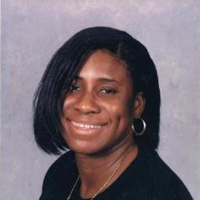
About Colleen
She uses a mix of client-centered, mindfulness, psychodynamic, and solution-focused ideas to shape sessions. That means conversations focus on what matters to the client, noticing patterns that cause distress, and testing small changes that can help right away. Sessions are respectful, nonjudgmental, and tailored to each person’s needs.
Downes has worked in mental health, learning disabilities, caregiving, foster care, and adoption settings across her career. She has many years of experience supporting people coping with chronic medical conditions such as multiple sclerosis, lupus, and cancer. Her background also includes work around adoption and foster care, attachment and family-of-origin questions, and caregiver stress.
In the room she aims to support and empower people as they build coping skills and clearer goals. Conversations often blend exploring past patterns with practical steps you can try between sessions. She encourages collaboration on a plan that fits each person’s life and priorities.
To begin, clients are invited to describe their main concerns and priorities so the work can be focused and concrete. The overall aim is to reduce distress and increase the skills needed to manage life’s ongoing challenges.
Part 2 of 4
Approaches and what online work looks like
Dr. Downes draws on client-centered work and solution-focused methods to shape online sessions. Client-centered therapy means the conversation is guided by the client’s priorities, with the therapist listening closely and reflecting what matters most. Solution-focused work narrows in on small, practical changes and clear goals that can be tried between meetings to produce immediate relief.Finding the right approach is part of the process. The therapist will collaborate with the client to choose which methods to use based on goals, preferences, and what feels most useful. That means trying a way of working, checking in about how it’s going, and adjusting the plan together.
This profile does not list explicit session formats, so confirm current online options before booking. In general, online sessions can help fit therapy into busy days by reducing travel and making it easier to schedule short check-ins or longer weekly meetings. They can also make it simpler to include mindfulness practice or quick problem-solving between appointments. Discussing practical needs up front helps ensure sessions match daily life and treatment goals.
Part 3 of 4
Areas of expertise
Primary focus
Also works with
Additional focus areas
Therapeutic approaches
Experience
35+ years
Credentials
New York
Languages
English
Part 4 of 4
Frequently asked questions
What kinds of concerns does she address?
She helps people with stress, anxiety, depression, trauma and abuse, relationship and family issues, ADHD, grief, parenting strain, career challenges, chronic illness, and compassion fatigue.
How would you describe her therapeutic approach?
Her style is warm and interactive. She blends client-centered listening, mindfulness, psychodynamic reflection, and solution-focused work to match each person’s needs.
What is her professional background?
She is a Licensed Clinical Social Worker with 35 years of experience working in mental health, learning disabilities, caregiving, foster care, and adoption areas.
Where is she licensed and based?
She holds the LCSW credential and is licensed in New York.
Which languages are supported for sessions?
Sessions are offered in English.
Can people outside the U.S. work with her?
She does not accept international clients at this time.
How does payment or cost work?
Cost varies with location and therapist availability; sessions use a subscription that can be canceled at any time.
How do I begin working together?
Use the Start Therapy button, complete a short matching questionnaire, and schedule according to therapist availability.