
Kelley Sullivan
LCSWColorado · 19 yrs exp
Compassionate, practical therapy for life transitions
Stress, Anxiety · Relationship · Trauma and abuse · Grief · +12 more
Read profileTherapist listings are provided by BetterHelp. We will earn a commission at no extra cost to you if you use our links to buy.
Welcome to our directory of online therapists serving Colorado. All therapists listed here are licensed to practice in Colorado and offer telehealth sessions within the state. Use the listings to review credentials, approaches, languages, and areas of focus as you explore options.
Colorado · 19 yrs exp
Compassionate, practical therapy for life transitions
Stress, Anxiety · Relationship · Trauma and abuse · Grief · +12 more
Read profile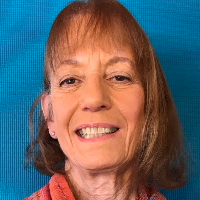
Colorado · 15 yrs exp
Therapist focused on practical change and healing
Stress, Anxiety · Addictions · Trauma and abuse · Anger · +6 more
Read profile
Colorado · 24 yrs exp
Practical, goal-focused counseling
Stress, Anxiety · Relationship · Trauma and abuse · Grief · +9 more
Read profile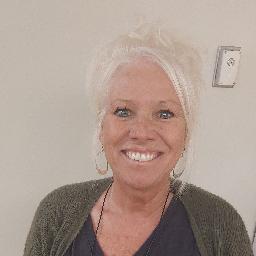
Colorado · 3 yrs exp
Experienced social worker focused on practical support
Stress, Anxiety · Relationship · Family · Trauma and abuse · +14 more
Read profile
Colorado · 26 yrs exp
Compassionate counselor helping people find steady footing
Stress, Anxiety · Family · Trauma and abuse · Parenting · +9 more
Read profile
Colorado · 52 yrs exp
Experienced client-centered LCSW
Stress, Anxiety · LGBT · Grief · Depression · +6 more
Read profile
Colorado · 8 yrs exp
Calm, practical support for life’s disruptions
Stress, Anxiety · Relationship · Trauma and abuse · Grief · +16 more
Read profile
Colorado · 9 yrs exp
Holistic help for trauma and mood concerns
Stress, Anxiety · Trauma and abuse · Bipolar · Depression · +1 more
Read profile
Colorado · 30 yrs exp
Practical, experienced social worker for life transitions
Stress, Anxiety · Relationship · Trauma and abuse · Self esteem · +1 more
Read profile
Colorado · 9 yrs exp
Callico Jones, LISW LCSW
Stress, Anxiety · Trauma and abuse · Parenting · Coping with life changes · +1 more
Read profile
Colorado · 13 yrs exp
Practical support for anxiety, trauma, and mood concerns
Stress, Anxiety · Family · Trauma and abuse · Bipolar · +1 more
Read profile
Colorado · 8 yrs exp
Focused, practical therapy and coaching
Stress, Anxiety · Self esteem · Coping with life changes · Coaching · +1 more
Read profile
Colorado · 25 yrs exp
Practical problem solving with a supportive approach
Stress, Anxiety · Addictions · Trauma and abuse · Grief · +8 more
Read profile
Colorado · 9 yrs exp
Supportive, practical therapy for life changes
Stress, Anxiety · Relationship · Grief · Depression · +11 more
Read profile
Colorado · 20 yrs exp
Experienced LCSW for trauma and life transitions
Stress, Anxiety · Trauma and abuse · Grief · Depression · +15 more
Read profile
Colorado · 13 yrs exp
Compassionate care for complex emotional challenges
Stress, Anxiety · Trauma and abuse · Self esteem · Depression · +16 more
Read profile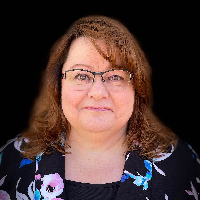
Colorado · 9 yrs exp
Person-centered counseling for practical change
Stress, Anxiety · Addictions · Trauma and abuse · Grief · +14 more
Read profile
Colorado · 22 yrs exp
Compassionate, practical counseling for life’s hard moments
Stress, Anxiety · Trauma and abuse · Grief · Compassion fatigue · +13 more
Read profile
Colorado · 25 yrs exp
Compassionate practical care for complex life challenges
Addictions · Relationship · Trauma and abuse · Grief · +15 more
Read profile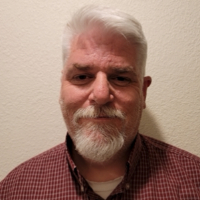
Colorado · 30 yrs exp
Experienced counselor for complex life challenges
Addictions · Relationship · Family · Trauma and abuse · +14 more
Read profile
Colorado · 20 yrs exp
Practical, person-centered therapy for life challenges
Stress, Anxiety · Trauma and abuse · Depression · LGBT · +14 more
Read profile
Colorado · 15 yrs exp
Calm, practical therapy for complex challenges
Stress, Anxiety · Trauma and abuse · Bipolar · Depression · +13 more
Read profile
Colorado · 23 yrs exp
LPC guiding recovery after trauma and loss
Stress, Anxiety · Trauma and abuse · Grief · Self esteem · +9 more
Read profile
Colorado · 45 yrs exp
Trauma-informed counselor with long experience
Stress, Anxiety · Addictions · Trauma and abuse · Depression · +11 more
Read profileIf you are searching for therapy options in Colorado, you will find a growing number of licensed clinicians offering care via video and phone. Telehealth has become a routine way for Colorado residents to access care without the need to travel long distances, which is particularly helpful in mountain and rural communities. Licensed clinicians who practice within Colorado must follow state licensure rules, and many list specialized experience or treatment approaches on their profiles so you can identify practitioners who focus on brain injury-related concerns and their common effects.
When you look at online therapy options, you will notice that clinicians differ in professional background, credentials, and the approaches they describe. Some profiles emphasize work with cognitive adjustment, mood concerns, or family systems affected by an injury. A number of therapists list EMDR among their approaches while others describe cognitive behavioral approaches, mindfulness-based work, or family systems perspectives. Reviewing profiles can help you narrow your search to those whose stated focus and communication style match what you need.
Colorado maintains licensure requirements for mental health professionals and has clear expectations for telehealth practice within state boundaries. That means a practitioner who offers online sessions to people located in Colorado should hold an appropriate active Colorado license. If you live near a state border and are considering out-of-state clinicians, confirm how licensure applies to remote care in your situation. Knowing the licensure framework will help you choose a clinician who is authorized to work where you are located.
Online therapy can make it easier for you to fit care into a busy life, eliminate long drives across mountain passes, and expand your options beyond local offices. For people coping with brain injury symptoms, the ability to meet from home can reduce fatigue related to travel and allow you to schedule sessions during times when you feel most alert and able to engage. Online sessions also make it simpler to include family members or caregivers from different households when collaborative planning is part of the work.
Using telehealth can also help you maintain continuity of care if you move within Colorado or travel for work or school. Technology allows clinicians to observe how you manage daily routines and environmental triggers in your own setting, which may yield useful insights for practical strategies. It is important to plan for interruptions in service due to internet outages or weather conditions that affect connectivity in some parts of the state. Having a backup plan with your clinician for how to handle emergencies or missed connections will help you feel more confident about remote care.
Online sessions remove commute time and can reduce barriers related to mobility or transportation. At the same time, some therapeutic techniques benefit from in-person assessment or collaboration with other professionals, such as occupational therapists or neuropsychologists, who may provide in-person testing or hands-on interventions. You can discuss these needs with prospective clinicians to understand how they coordinate care with local providers when in-person services are helpful.
Therapists who list brain injury focus areas often address emotional adjustment, mood changes, anxiety, difficulties with attention and memory, behavioral shifts, and relationship strain that can follow an injury. You can work with a clinician on coping strategies for daily challenges, communication skills for family and work settings, and planning for vocational or academic transitions. Some clinicians highlight experience supporting caregivers and partners who share responsibility for a person with a brain injury.
Emotional responses to a brain injury may include grief over losses, frustration about changes in abilities, and worries about the future. Therapists typically help you clarify goals, build routines that support recovery and quality of life, and practice strategies that reduce stress. If trauma-related memories or responses are present, you may encounter clinicians who list trauma-focused approaches among their work; in such cases, profiles often note relevant experience areas rather than licensing or certification claims. You should look for clinicians whose described approaches and experience align with the specific challenges you want to address.
Brain injury affects more than one person, and many online clinicians provide work that includes family members, caregiving teams, or workplace supports. Therapists who list family systems approaches may help you and the people close to you develop communication patterns and shared plans that improve daily functioning and reduce strain. Whether you are making decisions about roles at home or navigating legal and vocational questions, a clinician who understands the broader context can help you identify practical next steps.
Before you begin with an online clinician, confirm that they hold an active Colorado license in the appropriate discipline. You can ask a clinician for their license number and use the Colorado regulatory agency's license lookup to verify status and any public disciplinary information. Searching by name and license number will show whether a license is active and in good standing. If you have questions about a therapist's listed credentials, request clarification directly from the clinician's profile or office contact information.
Once you have verified licensure, getting started generally involves reviewing the clinician's profile for areas of focus, approaches, languages spoken, and logistical preferences. Many clinicians include information about session format, length, and whether they work with caregivers or families. You can prepare a short summary of your situation and goals to share when you first reach out, and think about practical details - such as which device you will use, whether you have a reliable internet connection, and where you will sit during sessions so you can be comfortable and focused.
If you plan to use insurance, you will want to ask whether the clinician accepts your plan and how billing is handled for telehealth sessions. Some clinicians list fees or indicate how they handle insurance claims on their profiles. If cost is a factor, inquire about sliding scale options or payment arrangements. Understanding cancellation policies and session length ahead of time will help you plan and reduce surprises.
Choosing a therapist is a personal decision that depends on the match between your needs and a clinician’s experience, approach, and communication style. Start by clarifying what you hope to accomplish in therapy - whether it is improving memory strategies, managing mood or behavior changes, rebuilding relationships, or planning a return to work or school. Use those goals to guide which clinicians you explore and to frame the questions you ask when reviewing profiles or making initial contact.
Pay attention to how a clinician describes their approach and population focus. If a profile mentions experience with brain injury or related concerns, read the language carefully to understand the kinds of work they describe. If you are interested in specific methods, look for phrasing such as therapists who list EMDR among their approaches or therapists who list cognitive behavioral approaches, and then ask during initial outreach how those approaches are used in practice. You can also look for clinicians who mention experience collaborating with rehabilitation professionals, vocational counselors, or family systems work when that kind of coordination is important to you.
Think about how you prefer to communicate and whether you want a clinician who takes an educational coaching role, a solution-focused stance, or a more exploratory therapy style. Language and cultural competence matter as well, so if you prefer therapy in a language other than English or want someone with specific cultural understanding, use profile filters or search language fields to find clinicians who match. Finally, consider logistical details such as session length, time zone differences within Colorado’s mountain and plains regions, and the technology you will use. A good initial conversation with a clinician can give you a sense of whether the fit feels right for both practical and interpersonal reasons.
Choosing online therapy is a step toward managing the challenges that can follow a brain injury, and taking time to verify licensure, clarify goals, and assess fit will help you make an informed decision. Use the directory to compare profiles, read about approaches and areas of focus, and gather the information you need to reach out to clinicians who may be a good match for your situation.
Anger
1077 therapists
Depression
1443 therapists
Disability
996 therapists
Grief
1221 therapists
Guilt and Shame
1323 therapists
Isolation / Loneliness
1303 therapists
Mood Disorders
1236 therapists
Post-Traumatic Stress
1385 therapists
Self Esteem
1366 therapists
Stress & Anxiety
1532 therapists
Trauma and Abuse
1398 therapists
Traumatic Brain Injury
1595 therapists