Part 1 of 4
- Trauma informed
- Goal focused
- Affirming care
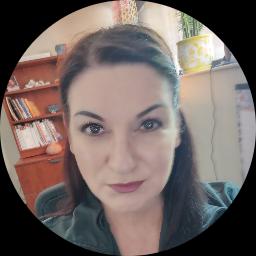
About Ann
She works in a calm, nonjudgmental way that centers the person rather than a label. Sessions focus on clear goals and small, usable steps people can try between meetings. Ann uses talking, skill practice, and reflection to help people notice what matters and make different choices.
Her work draws on several well-known methods such as cognitive behavioral techniques, acceptance and commitment ideas, and attachment-informed conversation. Those tools are blended to fit each person’s needs instead of following one fixed method. This helps when concerns include trauma, grief, mood shifts, or recovering from loss.
Ann has worked in the field for 13 years and holds LCSW and CSW credentials. That background shapes a steady, experience-informed way of guiding people through change. She pays attention to both practical coping and emotional meaning.
People who come for help can expect an affirming space to talk about identity, intimate life, or difficult symptoms like sleep and eating problems. The goal is to build resilience, improve communication, and reconnect with what matters most.
Part 2 of 4
How Ann’s Approaches Translate to Online Work
Acceptance and Commitment Therapy helps people notice what matters to them and take small, workable steps toward those values even when feelings are intense. It is useful for depression, anxiety, and life transitions. Cognitive Behavioral Therapy focuses on identifying unhelpful thinking and changing patterns through simple behavioral experiments and practice; it often helps with sleep, mood, and worry. Attachment-Based Therapy looks at how early relationships shape current patterns and helps people develop safer ways of relating and communicating in close relationships.Finding the right approach is a collaborative process. Ann will talk with each person about their concerns, goals, and preferences, then mix methods that fit those needs. The plan can change as progress is made so sessions stay practical and relevant.
The biography does not specify which remote session formats are offered, so confirm the available options before booking. In general, online work can make it easier to fit sessions into a busy week, allow shorter check-ins when needed, and reduce travel time. Online sessions can also make it simpler to practice new skills between meetings and to bring real-life examples into conversation, helping therapy connect directly to everyday situations.
Part 3 of 4
Areas of expertise
Also works with
Additional focus areas
Therapeutic approaches
Experience
13+ years
Credentials
Colorado
Languages
English
Part 4 of 4
Frequently asked questions
What kinds of concerns does Ann help with?
She supports people dealing with stress, anxiety, trauma and abuse, depression, and coping with life changes, among other issues listed in her specialties.
How would you describe her therapeutic style?
Her style is calm, respectful, and goal oriented, with an emphasis on practical steps and personal values rather than lengthy theory discussions.
How much experience does she bring to sessions?
She has 13 years of clinical experience working with a wide range of concerns and integrates that background into session planning.
What credentials and location are listed for this therapist?
She holds LCSW and CSW credentials and is based in Colorado.
Which languages are used in sessions and are international clients supported?
Sessions are offered in English and international clients are not currently accepted.
What session formats are available with this therapist?
The original biography does not list specific session formats, so confirm current session options with the service before scheduling.
How is cost handled for sessions?
Cost varies with location and therapist availability; sessions use a subscription that can be canceled at any time.
How do I begin working with this therapist?
Use the Start Therapy button, complete a short matching questionnaire, and schedule appointments according to therapist availability.