Part 1 of 4
- Solution-Focused Therapy
- Stress and anxiety
- Career and life changes
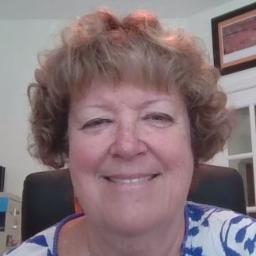
About Wendy
Wendy works from the idea that each person knows their story best. Sessions emphasize the client’s strengths and what has worked before. Conversations aim to uncover small, useful changes that add up over time.
Her background spans many settings across New York, giving her familiarity with a wide range of life challenges. That experience includes supporting people with chronic illness, cancer, and issues related to aging and disability. Traumatic brain injury is listed among areas she has worked around, alongside concerns such as isolation and intellectual disability.
Wendy uses Solution-Focused Therapy to keep sessions goal-oriented and pragmatic. She helps people identify clear next steps they can try between meetings. The work is collaborative and concentrated on what the person wants to achieve.
Many people come for help with workplace stress, finding purpose, or adjusting to big changes. Wendy also supports those navigating women's issues and young adult transitions. To begin, she asks clients about their priorities and builds a plan that fits their daily life.
Part 2 of 4
How solution-focused work adapts to online therapy
Solution-Focused Therapy emphasizes clear goals and small steps the client can try between sessions. It focuses on what is already working and builds on those strengths to reduce symptoms like stress, anxiety, and low confidence. This approach can help people who want brief, practical direction and concrete next steps for coping and recovery.The therapist will treat choosing an approach as a collaborative process. Together they will talk about goals, preferences, and what feels most useful. If Solution-Focused Therapy does not seem like the best fit, other strategies can be discussed and tried to find what works for the individual.
The original biography does not specify which session formats are offered, so confirm current options before booking. Online sessions can make it easier to fit therapy into a busy week, avoid travel time, or schedule shorter check-ins when needed. Licensed professionals often use remote meetings to maintain regular contact and to work on real-life goals between sessions without promising a specific outcome.
Part 3 of 4
Areas of expertise
Primary focus
Additional focus areas
Therapeutic approaches
Experience
40+ years
Credentials
New York
Languages
English
Part 4 of 4
Frequently asked questions
What concerns does Wendy commonly address?
She works with stress and anxiety, coping with grief and loss, low self-esteem, career difficulties, and adapting to life changes. Additional focus areas include chronic illness, aging, and traumatic brain injury among others.
What is Wendy's therapeutic style like?
She practices Solution-Focused Therapy, which is goal-oriented and practical. Sessions focus on strengths and small steps that can make a measurable difference.
How long has she been practicing?
Wendy has 40 years of professional work experience in mental health. That background spans various clinical settings in New York.
What credentials does she hold and where is she based?
She holds the credential LMHC, which stands for Licensed Mental Health Counselor, and she is based in New York.
Which languages are supported for sessions?
Sessions are offered in English. International clients are accepted.
What session formats are available?
The original biography does not list specific session formats. Please confirm the current session options before booking so you know whether online or in-person meetings are offered.
How does pricing work for sessions?
Cost varies with location and therapist availability. Sessions use a subscription that can be canceled at any time.
How do I begin working with Wendy?
Select the Start Therapy button, complete a short matching questionnaire, and schedule according to the therapist's availability.