Part 1 of 4
- Focus on practical skills
- Experience with autism
- LGBT-affirming practice
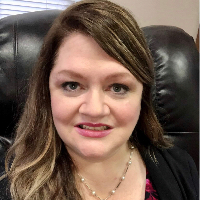
About Tracey
She uses straightforward, practical methods in sessions. Tracey draws on Cognitive Behavioral Therapy (CBT), Dialectical Behavior Therapy (DBT), Acceptance and Commitment Therapy (ACT), Attachment-Based Therapy, and client-centered approaches to tailor care. She aims to create a calm space where people can talk through challenges and practice new ways of coping.
Tracey has long experience with autism-related concerns and has supported LGBT clients for many years. Her background includes helping people affected by adoption, abandonment, attachment issues, blended family concerns, chronic illness and caregiving stress. She also brings experience working with co-occurring conditions and complex mental health presentations.
When relevant, Tracey includes practical coaching and behavioral strategies in sessions. Her approach tends to be collaborative and goal-focused, with emphasis on skills people can use between sessions. She values hearing each person’s story and building plans that fit everyday life.
Outside of her clinical work, Tracey enjoys reading, hiking, thrifting, and spending time with rescued therapy dogs. She describes her work as a shared journey and draws learning from every client contact.
Part 2 of 4
How therapeutic approaches guide online care
Acceptance and Commitment Therapy, or ACT, helps people notice painful thoughts without getting stuck in them and focus on actions that match their values; it can be useful for anxiety, depression, and coping with change. Cognitive Behavioral Therapy, or CBT, breaks problems into thoughts, feelings, and behaviors and teaches skills to shift unhelpful patterns, which can help with depression, anxiety, and sleep or eating concerns. Attachment-Based Therapy looks at how early relationships shape current patterns and can be helpful for attachment issues, abandonment concerns, and relationship challenges.Finding the right approach is part of the work. Tracey will collaborate with each person to identify which methods fit best for their goals and preferences. That may mean mixing approaches, trying skills-based practice, or focusing on emotional processing depending on the issue.
Session formats are not specified in the biography, so confirm current options before booking. Online care can make it easier to fit therapy into a busy schedule, reduce travel time, and support steady skill practice between sessions. It also allows for shorter check-ins when needed and options that suit quieter surroundings or limited bandwidth, helping therapy fit into everyday life rather than interrupt it.
Part 3 of 4
Areas of expertise
Primary focus
Also works with
Additional focus areas
Therapeutic approaches
Experience
27+ years
Credentials
Georgia
Languages
English
Part 4 of 4
Frequently asked questions
What kinds of problems does Tracey help with?
She supports people dealing with stress, anxiety, trauma and abuse, bipolar disorder, depression, addictions, and grief, plus a wide range of related concerns such as parenting, sleep, career, and body image.
How does she approach therapy?
The style is collaborative and practical, using CBT, DBT, ACT, attachment-based work, and client-centered methods to teach coping skills and change unhelpful patterns.
What is her professional background?
Tracey is a Licensed Professional Counselor with 27 years of clinical experience working with diverse concerns and populations over her career.
Where does Tracey practice?
She is based in Georgia and holds a Georgia LPC credential.
Which languages are available for sessions?
Sessions are offered in English.
Can international clients work with her?
She does not accept international clients at this time.
How much do sessions cost?
Cost varies with location and therapist availability; sessions use a subscription that can be canceled at any time.
How do I begin working with her?
Use the Start Therapy button, complete a short matching questionnaire, and schedule according to the therapist's availability.