Part 1 of 4
- Trauma-informed care
- Goal focused
- Practical strategies
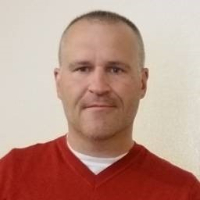
About Thomas
Thomas draws on several therapeutic approaches to match each person’s needs. He uses Cognitive Behavioral Therapy to look at thoughts and behaviors that get in the way. He uses Eye Movement Desensitization and Reprocessing to address traumatic memories. Narrative and psychodynamic ideas help people make sense of patterns from the past. Solution-focused work supports setting clear, practical goals.
Sessions focus on plain, practical steps and on talking through what matters most to the client. Thomas aims to balance short-term coping strategies with exploring longer-term patterns. He supports people coping with compassion fatigue, ADHD, bipolar mood concerns, and chronic illness effects.
His background includes work across many clinical areas such as family and blended family stress, attachment and abandonment concerns, body image, and caregiving burden. Thomas also addresses intimacy matters including kink and alternative sex culture in a nonjudgmental way.
People typically leave sessions with clear next steps and small, doable changes to try between meetings. To begin, follow the site’s Start Therapy process to complete a short matching questionnaire and schedule according to therapist availability.
Part 2 of 4
How Thomas Uses Therapy Approaches Online
Thomas commonly uses Cognitive Behavioral Therapy to help people spot unhelpful thinking and try new behaviors; this is useful for anxiety, depression, and stress. He also uses Eye Movement Desensitization and Reprocessing to work with traumatic memories and reduce their emotional impact. Narrative Therapy helps people tell and reshape the stories they carry about themselves and their relationships.Finding the right approach is part of the work. Thomas will collaborate with each person to decide which methods match their goals and situation. That decision is revisited over time so treatment stays practical and relevant.
Session options are not specified in this profile, so confirm current session formats before booking. Online therapy can make it easier to fit sessions into a busy life, reduce travel time, and allow shorter check-ins when needed. It can also let people choose patterns of work that suit their energy, whether that means focusing on concrete strategies or spending more time on personal history and meaning.
Part 3 of 4
Areas of expertise
Primary focus
Also works with
Additional focus areas
Therapeutic approaches
Experience
3+ years
Credentials
Pennsylvania
Languages
English
Part 4 of 4
Frequently asked questions
What issues does this therapist help with?
He addresses stress, anxiety, depression, trauma and abuse, grief, addictions, relationship and intimacy concerns, sleep problems, parenting strain, career changes, and related challenges.
How would he describe his therapeutic style?
Thomas combines practical tools with deeper conversation. He helps set goals, teaches coping skills, and looks at life patterns that affect mood and behavior.
What is his professional background?
He holds the LCSW credential and has three years of experience listed in this profile working across many clinical concerns.
Where is he licensed to practice?
He is licensed as an LCSW in Pennsylvania.
Which languages are supported?
Sessions are offered in English.
Can international clients schedule with him?
International clients are not currently accepted.
How are sessions billed and what does therapy cost?
Cost varies with location and therapist availability; sessions use a subscription that can be canceled at any time.
How do I begin working with him?
Click the Start Therapy button, complete a short matching questionnaire, and schedule according to therapist availability.