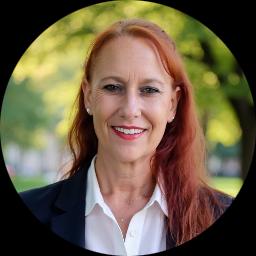
Part 1 of 4
- Anxiety and trauma support
- Practical coping skills
- Client-centered care
About Tangela
She uses evidence-based approaches such as Dialectical Behavior Therapy, Cognitive Behavioral Therapy, and a client-centered framework to guide sessions. That means sessions often include learning new coping skills, practicing ways to change unhelpful thoughts, and building emotional regulation strategies that fit everyday life.
Dr. Isely also supports people dealing with grief, relationship and communication problems, addiction concerns, parenting stress, and work or career strain. Additional focus areas include attachment and family of origin issues, caregiver stress, first responder challenges, and coping after natural or human-caused disasters. She lists traumatic brain injury among her areas of focus and works to address the emotional and practical effects that can follow such events.
People who work with her can expect straightforward discussions about goals and steps to move forward. She emphasizes honoring each person’s story while avoiding approaches that could re-traumatize. Sessions are paced to match what each person needs at the time.
Taking the first step can feel hard, and Dr. Isely aims to make that step clear and manageable. Prospective clients are invited to use the site process to begin matching and scheduling.
Part 2 of 4
Therapeutic approaches that shape online care
Acceptance and Commitment Therapy (ACT) helps people clarify what matters most and take small, values-based steps toward those goals. It can be useful for anxiety, depression, and the frustration that follows life changes. Cognitive Behavioral Therapy (CBT) focuses on the link between thoughts, feelings, and behaviors and teaches practical techniques to reduce unhelpful thinking and improve daily routines. Dialectical Behavior Therapy (DBT) provides skills for emotion regulation, distress tolerance, and clearer communication, which can help with intense mood swings, anger, and relationship strain.Finding the right approach is part of the work. Dr. Isely will collaborate with each person to choose methods that match their goals, needs, and preferences. That process may include trying a few techniques and adjusting the plan based on what helps most.
The original profile does not specify which online session formats are used, so confirm current options before booking. In general, online therapy can make it easier to fit sessions into busy schedules, allow shorter check-ins when needed, and remove commute time. It can also let people practice skills in real-life settings between sessions and apply techniques to day-to-day challenges while getting guidance from a licensed professional.
Part 3 of 4
Areas of expertise
Also works with
Additional focus areas
Therapeutic approaches
Experience
19+ years
Credentials
Texas, Maine, Oregon
Languages
English
Part 4 of 4
Frequently asked questions
What concerns does Dr. Isely address?
She works with stress, anxiety, trauma and abuse, depression, and related issues such as grief, addiction, ADHD, and eating and sleeping problems.
How would you describe her therapeutic style?
Her style is compassionate and collaborative, using client-centered conversations alongside skills-based methods like DBT and CBT.
What kind of background does she bring to sessions?
She has 19 years of clinical experience and emphasizes listening deeply while helping people set practical goals and learn coping strategies.
Where is Dr. Isely based and what are her credentials?
She practices in Texas and holds the credentials LPC and LCPC as listed.
Are sessions available in other languages or internationally?
Sessions are offered in English and she is not accepting international clients at this time.
What session formats are offered?
The original profile does not list specific session formats; please confirm current session options before booking.
How is cost handled for sessions?
Cost varies with location and therapist availability, and sessions use a subscription that can be canceled at any time.
How do I begin working with Dr. Isely?
Select the Start Therapy button, complete the short matching questionnaire, and schedule according to therapist availability.