Part 1 of 4
- Practical goal setting
- Interactive counseling
- Client-centered focus
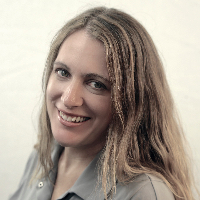
About Suzanne
Her background includes roles in foster care, group residences, a domestic violence shelter, schools, assisted living, outpatient clinics, and private practice. That mix shaped a flexible style that adapts to different needs and life situations. She has 12 years of professional experience as a social worker, psychotherapist, supervisor, and life coach.
Suzanne's counseling style is described as eclectic, engaging, and interactive. She focuses on working with each person’s interests and strengths when setting goals. Conversations aim to be practical and straightforward so people can apply what they learn to daily life.
She uses approaches such as Client-Centered Therapy, Cognitive Behavioral Therapy (CBT), Mindfulness Therapy, Motivational Interviewing, and Narrative Therapy. These methods are used to help with stress, anxiety, depression, ADHD, trauma and abuse, relationship concerns, grief, and other challenges listed in her specialties.
Suzanne emphasizes collaboration and coaching alongside traditional talk therapy. She supports people who want to build confidence, navigate life changes, improve communication, manage compassion fatigue, or explore life purpose. She also lists traumatic brain injury among her additional focus areas and incorporates relevant strategies into her work where appropriate.
Part 2 of 4
How her approaches translate to online work
Client-Centered Therapy focuses on the person’s own goals and perspective. The therapist listens, reflects, and helps clients find their own answers; this approach supports work on confidence, life purpose, and self-esteem. Cognitive Behavioral Therapy, or CBT, looks at patterns of thought and behavior and teaches concrete techniques to change unhelpful habits; it can help with anxiety, depression, sleeping problems, and anger.Finding the right approach is part of the process. The therapist will collaborate with each person to choose methods that match their goals and preferences. That means adjusting strategies over time and combining techniques from different approaches when useful.
Confirm current session options before booking as formats are not specified in the biography. Online therapy can make it easier to fit sessions into a busy life by reducing travel time, allowing shorter check-ins around work or school, and offering options that suit quieter surroundings or lower bandwidth needs. Licensed professionals can use therapeutic tools like guided exercises, thought records, and mindfulness practices that translate well to remote sessions.
Part 3 of 4
Areas of expertise
Primary focus
Also works with
Additional focus areas
Therapeutic approaches
Experience
12+ years
Credentials
New York, New Mexico, Utah, California
Languages
English
Part 4 of 4
Frequently asked questions
What concerns does Suzanne address?
She works with people facing stress, anxiety, depression, ADHD, trauma and abuse, grief, relationship issues, parenting strain, career questions, and related concerns. Traumatic brain injury is also listed as an additional focus area.
What is her therapy style like?
Her style is eclectic, engaging, and interactive. Sessions focus on practical goals, skills, and conversations that clients can use in daily life.
What experience does she bring?
She has 12 years of experience working as a social worker, psychotherapist, supervisor, and life coach across settings like schools, outpatient clinics, shelters, and private practice.
Where is Suzanne licensed and located?
She holds LCSW credentials and lists New Mexico as her location. Her documented licences include NY LCSW and NM LCSW.
Which languages are offered for sessions?
Sessions are offered in English.
Can international clients work with her?
She does not accept international clients at this time.
How does pricing work?
Cost varies with location and therapist availability, and sessions use a subscription that can be canceled at any time.
How do I begin therapy with her?
Select the Start Therapy button, complete a short matching questionnaire, and schedule according to therapist availability.