Part 1 of 4
- Focus on relationships
- Mindfulness and ACT
- Experience with trauma
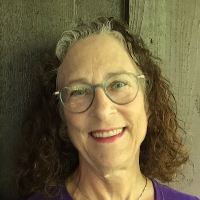
About Susan
She uses practical, conversational work to help people notice patterns and try new options. Dr. Gurvich draws on approaches such as Acceptance and Commitment Therapy, Dialectical Behavior Therapy, and mindfulness to help with difficult emotions and life changes. She also integrates client-centered techniques and hypnotherapy when these fit a person’s goals.
Her background includes long experience in hospital and outpatient mental health settings. That work exposed her to many different life situations, including caregiving stress, grief, and issues related to gender identity and sexual orientation. This breadth helps her tailor sessions to each person’s needs.
In sessions she pays attention to the relationship and to small, doable steps that can reduce overwhelm. She helps people set realistic goals, practice new skills, and notice what makes life feel a little better. The aim is steady progress rather than quick fixes.
Dr. Gurvich believes therapy is a collaboration. She listens first, and then offers options based on what matters most to the person in front of her. If you want to explore therapy, she invites you to take the next step and see if the fit feels right.
Part 2 of 4
How her approaches work in online therapy
Dr. Gurvich uses Acceptance and Commitment Therapy to help people clarify their values and commit to small actions that match what matters to them. ACT can be useful for stress, anxiety, and making changes in daily life.She also draws on Dialectical Behavior Therapy skills to teach emotion regulation, distress tolerance, and better interpersonal communication. DBT tools can help when strong emotions or relationship patterns cause repeated problems.
Finding the right approach is part of the work together. The therapist will listen to your goals, try strategies that fit your needs, and adjust the plan as you learn what helps. That collaborative process shapes whether more ACT, DBT, mindfulness, or client-centered conversation is used.
Confirm the exact online session options before booking, since formats should be verified. In general, remote sessions can make it easier to fit therapy into busy days, allow shorter check-ins when needed, and reduce travel time. Phone sessions can be simpler when bandwidth is limited, and video sessions allow reading facial expressions and nonverbal cues. The focus is on practical ways to make therapy usable in everyday life rather than on a single delivery method.
Part 3 of 4
Areas of expertise
Primary focus
Also works with
Additional focus areas
Therapeutic approaches
Experience
25+ years
Credentials
Texas
Languages
English
Part 4 of 4
Frequently asked questions
What kinds of problems does she help with?
She works with stress, anxiety, depression, trauma and relationship concerns, along with issues like ADHD, caregiving stress, grief, and identity-related concerns.
How would you describe her therapy style?
Her style is warm and respectful, with practical, conversational work. She prioritizes getting to know you and finding manageable steps to try between sessions.
What is her clinical background?
She has 25 years of experience in behavioral health, including work in hospitals and outpatient settings with many different life situations.
What credentials and region are listed?
She holds the LPC credential and practices in Texas.
Are services offered in other languages or internationally?
Sessions are offered in English and she is not accepting international clients.
What session formats are used?
Please confirm current session options before booking, as the biography describes comfort with video, phone, and text but session formats should be verified when you schedule.
How is cost handled for sessions?
Cost varies with location and therapist availability; sessions use a subscription that can be canceled at any time.
What should I do to get started?
Select the Start Therapy button, complete the short matching questionnaire, and then schedule according to therapist availability.