Part 1 of 4
- Practical goal plans
- Military and civilian experience
- Trauma informed care
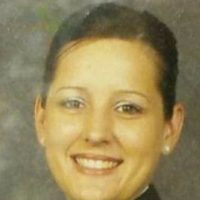
About Stephanie
Her background includes military service and roles such as Deployment Case Manager, Emergency Room Social Worker, and Family Advocacy Social Worker. Those positions involved working with domestic violence, sexual assault, suicidal behavior, substance use, and coordinating with agencies like Child Protective Services and shelters. She has worked with both military and civilian systems in varied settings.
Stephanie’s style is understanding and interactive. She treats people with respect and compassion and avoids a one-size-fits-all plan. Sessions aim to identify clear goals and practical steps that fit each person’s life.
She draws on cognitive-behavioral ideas, dialectical behavior approaches, and elements of reality and acceptance-based work to shape treatment. That mix is used to build skills, manage emotions, and change unhelpful patterns.
Starting change can feel intimidating, and she frames therapy as a guided process. Stephanie works to motivate and support people as they try new strategies and move toward their goals.
Part 2 of 4
How Stephanie uses therapy approaches online
Acceptance and Commitment Therapy (ACT) encourages people to notice thoughts and feelings without getting stuck in them, then choose actions that fit their values. It can help with anxiety, life changes, and building a meaningful routine. Cognitive Behavioral Therapy (CBT) focuses on identifying unhelpful thoughts and testing them with real-life experiments to change mood and behavior, which is useful for anxiety, depression, and stress. Dialectical Behavior Therapy (DBT) offers skills for managing intense emotions, improving relationships, and reducing impulsive behavior; it is practical and skill-based.Finding the right approach is part of the work. The therapist will collaborate with each person to decide which methods fit best. Treatment plans are shaped by the person’s goals, daily life, and what feels most useful during early sessions.
Confirm the session formats before booking, as this biography does not list specific options. Online therapy can make it easier to fit sessions into a busy week, reduce travel time, and let people connect from different locations. It also allows shorter check-ins when a full session is not needed and makes it simpler to maintain momentum between appointments.
Part 3 of 4
Areas of expertise
Primary focus
Also works with
Additional focus areas
Therapeutic approaches
Experience
14+ years
Credentials
North Carolina, Florida
Languages
English
Part 4 of 4
Frequently asked questions
What concerns does she commonly address?
She helps people with stress, anxiety, depression, relationship and intimacy issues, grief, parenting strain, anger, self-esteem, career changes, ADHD, trauma and abuse, and LGBT-related concerns.
What is her general therapy style?
Her approach is understanding and interactive. She focuses on respectful, practical work that targets clear goals and teaches skills for everyday life.
What experience does she bring to sessions?
She has 14 years of experience, including roles as a Deployment Case Manager, Emergency Room Social Worker, and Family Advocacy Social Worker serving military and civilian populations.
What are her credentials and where is she based?
She holds a Licensed Clinical Social Worker credential: NC LCSW and FL LCSW, and she practices from Florida.
Which languages are supported?
Sessions are offered in English and international clients are accepted.
What session formats are available?
Specific session formats are not listed in this biography; please confirm current session options before booking.
How are fees and payment handled?
Cost varies with location and therapist availability; sessions use a subscription that can be canceled at any time.
How do I begin if I want to work together?
Use the Start Therapy button, complete a short matching questionnaire, and schedule according to therapist availability.