Part 1 of 4
- Trauma-focused methods
- Somatic approaches
- EMDR and narrative
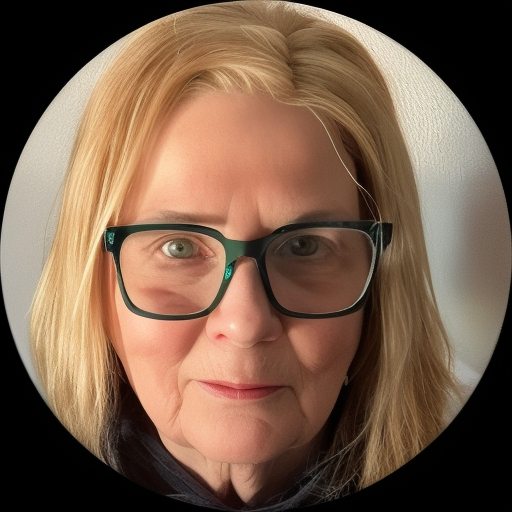
About Shirley
Shirley trained at Wayne State University, earning a Bachelor of Arts in Psychology and a Master of Social Work. Early in her career she completed a two-year intensive family therapy program and later added many advanced trainings. That background informs her work with communication problems, attachment struggles, and abandonment issues.
Her practice combines trauma-focused methods with somatic work. Shirley completed a 1,000-hour massage therapy program and became nationally certified in massage and bodywork, plus she holds a Colorado LCSW and CSW. She uses movement, sound, and clay when these tools support processing and emotional regulation.
As an EMDR practitioner she also uses The Flash Technique in trauma resolution. She brings narrative therapy ideas into sessions to help people reframe painful stories and build a clearer sense of life purpose. Sessions emphasize safety, pacing, and skills people can use between meetings.
Shirley has worked in health care, hospice, schools, foster care, adoption, pregnancy services, and with people caring for those with disabilities. Her approach is curious and collaborative, helping clients find manageable ways to address concerns such as chronic illness, caregiving stress, compulsions, and grief.
Part 2 of 4
How EMDR, Narrative, and Trauma-Focused Care Work Online
Shirley often uses Eye Movement Desensitization and Reprocessing, which guides attention while a person recalls upsetting memories to reduce their emotional intensity. It is commonly used for post-traumatic stress and other trauma reactions.Narrative Therapy focuses on the stories people tell about themselves. Shirley helps clients separate a person from a problem, find different meanings, and build alternative, more helpful narratives about their life and choices.
Trauma-Focused Therapy emphasizes stabilizing skills, pacing, and gradually processing traumatic material. Shirley pairs these approaches with somatic tools like breath work, movement, and expressive activities to help people notice bodily responses and learn regulation techniques.
Finding the right approach is part of the work. Shirley will collaborate with each person to decide which methods fit their goals, needs, and comfort level, and she adjusts pacing and tools as therapy progresses.
Session formats are not specified here, so confirm current options before booking. Online work can make it easier to fit sessions into a busy week, reduce travel time, and allow people to use brief check-ins when needed. Different methods can be adapted for remote sessions, and Shirley will suggest practical ways to practice skills between meetings.
Part 3 of 4
Areas of expertise
Primary focus
Also works with
Additional focus areas
Therapeutic approaches
Experience
35+ years
Credentials
Colorado
Languages
English
Part 4 of 4
Frequently asked questions
What kinds of concerns does Shirley address?
She helps people manage trauma and abuse, grief, stress, anxiety, depression, relationship and intimacy-related issues, and a range of life changes and caregiving challenges.
What is her general therapy style like?
Her style is practical and paced to each person. She blends trauma-focused work with somatic tools and expressive activities so people leave with skills they can try between sessions.
How much experience does she have?
She has 35 years of clinical experience across settings such as health care, hospice, schools, foster care, and adoption services.
What credentials and location are listed?
She holds a Master of Social Work and is licensed as an LCSW and CSW in Colorado.
Which languages are supported?
Sessions are offered in English.
Can people outside the United States work with her?
International clients are not currently accepted.
How does billing and cost work?
Cost varies with location and therapist availability and sessions use a subscription that can be canceled at any time.
How do I begin a therapy match?
Click the Start Therapy button, complete a short matching questionnaire, and schedule according to therapist availability.