Part 1 of 4
- Warm interactive style
- Focus on life transitions
- Works with trauma
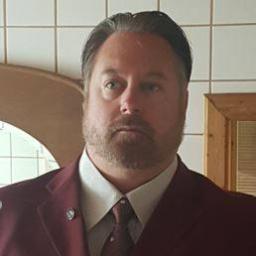
About Shawn
He has spent more than a decade in higher education and understands the pressures faced by students, faculty, and staff. He helps people dealing with depression, anxiety, relationship stress, parenting questions, career transitions, ADHD, and OCD. Traumatic brain injury is listed among his focus areas and is one of many concerns he addresses.
His manner is described as warm and interactive. He emphasizes respect, sensitivity, and compassion, and avoids stigmatizing labels. Sessions are conversational and tailored to each person rather than following a one-size-fits-all plan.
Prof. Young uses a mix of approaches to fit each person’s needs. His work draws on acceptance and commitment methods, client-centered and mindfulness ideas, motivational interviewing, and narrative-influenced techniques. He adapts the dialog and plan to what a person wants to change.
People who want practical help with coping skills, clearer life direction, or relief from persistent mood and anxiety problems may find his style helpful. He invites those ready to take steps toward change to begin with a short matching process and a scheduled session.
Part 2 of 4
Therapeutic approaches and online care
Acceptance and Commitment Therapy (ACT) helps people notice difficult thoughts and feelings without letting them stop meaningful action. It is useful for anxiety, depression, and coping with life changes. Client-Centered Therapy focuses on a respectful, nonjudgmental conversation where the therapist follows the person’s lead and supports self-directed growth. Mindfulness Therapy teaches present-moment awareness and simple practices to reduce reactivity and improve sleep and mood.Finding the right approach is part of the work. The therapist will talk with each person about goals and preferences and then try methods that fit those aims. This is a collaborative process and adjustments are made as needed based on what helps most.
The biography does not list specific session formats, so confirm available options before booking. Online work can make it easier to fit sessions into a busy schedule, allow shorter check-ins when needed, and avoid travel time. It can also help people connect from different states or countries when that fits their circumstances.
Part 3 of 4
Areas of expertise
Primary focus
Also works with
Additional focus areas
Therapeutic approaches
Experience
15+ years
Credentials
New Hampshire, Maine
Languages
English
Part 4 of 4
Frequently asked questions
What concerns does he address?
He works with stress, anxiety, depression, relationship and family concerns, addiction, grief, bipolar disorder, trauma and abuse, traumatic brain injury, and related issues.
How would you describe his therapeutic style?
His style is warm and interactive, emphasizing respect and sensitivity. He avoids stigmatizing labels and shapes sessions around each person’s needs.
What background and experience does he bring?
He has 15 years of clinical experience, has worked as a counselor and life coach, served in the Air Force, spent time overseas, and has 10+ years in higher education settings.
What credentials and location are listed?
He holds LICSW and LCSW credentials with NH LICSW and ME LCSW and practices in Maine.
Which languages and international options are supported?
Sessions are offered in English, and he accepts international clients.
What session formats are available?
The original biography does not specify session formats; please confirm current session options before booking.
How are costs handled?
Cost varies with location and therapist availability; sessions use a subscription that can be canceled at any time.
How do I begin?
Select the Start Therapy button, complete a short matching questionnaire, and schedule according to therapist availability.