Part 1 of 4
- Strengths based
- Goal focused
- Experience driven
About Sharon
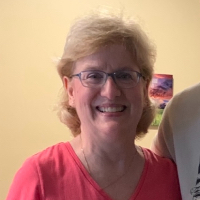
Sharon brings 25 years of experience in clinical social work. She earned degrees in psychology and clinical social work from the University of North Carolina at Chapel Hill and later became a licensed clinical social worker in Georgia. Her background includes long-term work supporting people through grief, addiction, mood concerns, and life transitions.
In sessions she focuses on building on each person’s strengths and identifying clear steps forward. She blends acceptance and commitment ideas with cognitive-behavioral tools and emotionally focused conversation to address difficult feelings and relationship patterns. Dialectical skills are used when emotional regulation and distress tolerance are central concerns.
Sharon is practical and straightforward in her approach. She helps clients set goals, try new coping strategies, and track small changes over time. Many people find this collaborative, goal-oriented work helpful when coping with major life changes or ongoing stressors.
Outside of practice Sharon values family, faith, and time outdoors. She is a mother of a young adult Air Force veteran and enjoys walking, hiking, and time at the beach.
Part 2 of 4
How therapy approaches work in online care
Acceptance and Commitment Therapy, or ACT, focuses on helping people notice difficult thoughts and feelings while committing to actions that match their values. It can help with anxiety, depression, and coping with life changes by clarifying what matters and taking small steps toward it. Cognitive Behavioral Therapy, or CBT, looks at connections between thoughts, actions, and moods and uses practical exercises to shift unhelpful patterns; it can be useful for anxiety, depression, and sleep or eating concerns. Emotionally-Focused Therapy emphasizes understanding and changing interaction patterns that keep people stuck in painful emotions, which can help when relationship or intimacy-related issues are central.Choosing the right approach is part of the work. The therapist will talk with each person about goals, preferences, and day-to-day life, and together they will try methods that fit. That collaborative process can include mixing techniques from different approaches so the plan reflects what the client needs.
Confirm the exact online session options before booking, since formats are not listed here. Online work can make fitting therapy into a busy schedule easier, allow shorter check-ins when needed, and reduce travel time. Many people find it simpler to keep appointments around work or caregiving demands and to practice new skills in real-life settings between sessions.
Part 3 of 4
Areas of expertise
Primary focus
Also works with
Additional focus areas
Therapeutic approaches
Experience
25+ years
Credentials
Georgia
Languages
English
Part 4 of 4
Frequently asked questions
What concerns does Sharon commonly address?
She works with stress, anxiety, depression, substance use, trauma and relationship issues, along with many related concerns such as grief, parenting strain, sleep and eating difficulties.
What is the general therapy style used?
The approach is strengths based and client centered, focusing on practical steps and collaboration to reach goals.
How much clinical experience does she have?
Sharon has 25 years of experience in clinical social work supporting people through mood, trauma, addiction, and life transitions.
What credentials and location are listed?
She holds LCSW and CSW credentials and practices in Georgia.
Which languages are sessions offered in?
Sessions are offered in English.
What session formats are available?
Session formats are not specified here; please confirm current session options before booking.
How are fees handled?
Cost varies with location and therapist availability, and sessions use a subscription that can be canceled at any time.
What steps are involved to begin working together?
Select the Start Therapy button, complete a short matching questionnaire, and then schedule according to the therapist's availability.