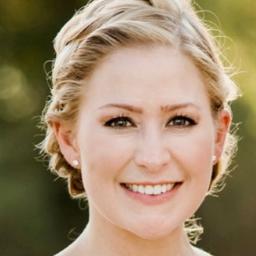
Part 1 of 4
- Strengths based
- Goal focused
- Nonjudgmental care
About Sarah
She believes each person knows their own story best and brings ten years of experience to help people use their strengths. Sessions focus on clear goals and real skills for daily life, such as managing stress, improving communication, or navigating a major transition. The aim is steady progress rather than quick fixes.
Sarah draws on approaches that center relationships and internal parts of experience. Her work can help people understand old patterns, repair attachment wounds, and build better ways to handle difficult emotions. She also uses motivational techniques to support change related to substance use and habits.
Clients who want a collaborative, respectful approach will find straightforward guidance and flexible problem-solving. Sarah supports exploration of identity and intimacy-related concerns without judgment. She encourages realistic plans that fit each person’s life and values.
People who are wondering how therapy might help will find an easy next step. She asks about priorities, helps set achievable goals, and supports follow-through between sessions. The focus is on steady skills, renewed confidence, and clearer direction.
Part 2 of 4
How therapeutic approaches guide online work
Attachment-based work focuses on relationships and patterns people repeat with others. It helps people notice how early bonds affect current trust and closeness, and it supports building safer connections in everyday life. Client-centered therapy emphasizes listening and respect. It gives people space to set the pace and direction of their work while the therapist reflects and clarifies what matters most.Finding the best approach is a shared process. The therapist will ask about your goals, preferences, and what has or hasn’t helped before. Together you can try approaches and adjust as progress and needs become clearer, so the work fits your life and your priorities.
Confirm current session options before booking since formats are not specified in the biography. In general, online work can make it easier to fit sessions into a busy schedule, cut down travel time, and allow short check-ins when needed. It can also let people choose ways of meeting that match energy levels and daily routines, such as sessions that don’t require being on camera or that are easier to fit into a lunch break. Licensed professionals aim to make sessions practical and usable for real life.
Part 3 of 4
Areas of expertise
Primary focus
Also works with
Additional focus areas
Therapeutic approaches
Experience
10+ years
Credentials
Texas
Languages
English
Part 4 of 4
Frequently asked questions
What concerns does she help with?
She works with stress, anxiety, depression, addictions, relationship and family issues, grief, LGBT concerns, trauma and abuse, parenting challenges, bipolar disorder, ADHD, and related problems.
What is her typical therapy style?
She uses a blend of attachment-based and client-centered ways of working, plus motivational interviewing and Internal Family Systems ideas to help people set goals and make changes.
How much experience does she have?
She has ten years of professional experience providing mental health support in clinical settings.
What credentials and region are listed?
She holds an LCSW credential and practices in Texas.
Which languages are available for sessions?
Sessions are offered in English.
Can people outside the United States work with her?
International clients are not currently accepted.
How are fees and payments handled?
Cost varies with location and therapist availability; sessions use a subscription that can be canceled at any time.
What should I do to begin working together?
Select the Start Therapy button, complete a short matching questionnaire, and schedule according to therapist availability.