Part 1 of 4
- Addiction support
- Trauma recovery
- Everyday coping
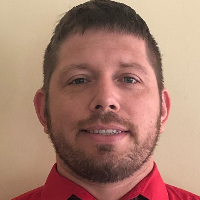
About Richard
He earned a Bachelor’s in Community Health and a Master of Social Work, then completed the steps to become an LCSW. Over roughly 10 years he has worked in military, inpatient, and outpatient settings. That range of settings gave him hands-on experience with addiction, depression, anxiety, and trauma.
His sessions mix talking with practical tools aimed at everyday life. He draws on methods such as Acceptance and Commitment Therapy, Cognitive Behavioral Therapy, and Attachment-Based approaches to help people manage symptoms and rebuild routines. He adapts techniques to each person rather than following a fixed script.
Richard also has experience helping people who struggle with relationship strain, parenting stress, sleeping problems, and career pressures. He pays attention to how past experiences shape current reactions and helps people try new ways of responding.
People working with him can expect direct listening, clear goals, and collaborative planning for change. He aims to help clients strengthen resilience and move toward more stable daily life in Indiana and beyond.
Part 2 of 4
How Richard’s Approaches Translate to Online Support
Acceptance and Commitment Therapy (ACT) focuses on helping people notice thoughts and feelings without getting stuck, then choose actions that match their values. It can help with anxiety, stress, and making life changes. Cognitive Behavioral Therapy (CBT) looks at the links between thoughts, emotions, and behaviors, and teaches practical skills to reduce symptoms of depression, anxiety, and sleep problems. Attachment-Based Therapy pays attention to early relationship patterns and how they affect current connections, which can help with intimacy, communication, and relationship strain.Finding the right approach is part of the work. The therapist will talk with the client about goals, preferences, and what feels most useful. Together they decide which methods to try and adjust the plan as progress unfolds.
The practical benefits of online therapy include easier scheduling and fitting sessions into busy days. Online sessions can make it simpler to check in during a work break or keep therapy going when travel or weather would otherwise interrupt care. Because the original biography does not list specific session formats, confirm which formats are available before booking. The focus is on making therapy fit daily life and on using approaches that help with symptoms like anxiety, addiction, trauma, sleep problems, and coping with change.
Part 3 of 4
Areas of expertise
Primary focus
Also works with
Additional focus areas
Therapeutic approaches
Experience
10+ years
Credentials
Illinois, Indiana, Arizona
Languages
English
Part 4 of 4
Frequently asked questions
What types of concerns does he address?
He helps with stress, anxiety, addictions, trauma and abuse, grief, depression, LGBT concerns, relationship and family strain, intimacy issues, sleep problems, parenting stress, anger, self-esteem, career problems, bipolar disorder, and coping with life changes.
What is his therapy style like?
Sessions are practical and collaborative with a focus on talk and active skills. He uses straightforward techniques to help people change behaviors and manage strong emotions.
How much clinical experience does he have?
He has about 10 years of experience working in military, inpatient, and outpatient mental health and addiction settings.
What credentials and location are on record?
He is a Licensed Clinical Social Worker (LCSW) with ties to Illinois and Arizona licensing and is based in Indiana.
Which languages are offered and can international clients join?
Sessions are offered in English. He is not currently accepting international clients.
What session formats are used?
The original biography does not list specific session formats, so please confirm current session options before booking.
How is cost handled?
Cost varies with location and therapist availability; sessions use a subscription that can be canceled at any time.
How do I begin working with him?
Start by selecting the Start Therapy button, completing a short matching questionnaire, and scheduling according to the therapist's availability.