Part 1 of 4
- Trauma and addiction
- CBT and EMDR
- Attachment focus
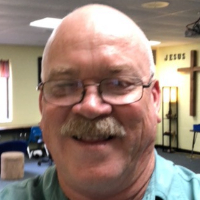
About Philip
Philip draws on several well known approaches to tailor help to each person. He uses attachment-based work to look at how early relationships affect current patterns. He also uses cognitive behavioral techniques to challenge unhelpful thoughts and build new habits. Eye Movement Desensitization and Reprocessing, or EMDR, is part of his approach for processing traumatic memories.
Sessions are meant to be collaborative. Philip listens for the issues that feel most urgent and then helps set small, realistic goals. He emphasizes steps people can try between meetings so progress carries into everyday routines.
With four years of experience, he brings steady support for people dealing with depression, bipolar symptoms, ADHD, anger, and intimacy-related concerns. He also addresses parenting stress, workplace strain, and codependency issues. His work includes helping people manage the emotional fallout of serious illness and end-of-life situations.
Philip works in Tennessee and conducts sessions in English. He combines practical tools and listening to help people rebuild confidence, reduce overwhelming feelings, and move toward clearer decision making.
Part 2 of 4
How therapeutic approaches shape online work
Attachment-based work looks at how early relationships influence current patterns and helps people notice and change repeating behaviors. This approach can be useful for those struggling with connection, abandonment, or attachment issues.Cognitive Behavioral Therapy, or CBT, is a practical approach that identifies unhelpful thoughts and builds new coping skills. It is often used for anxiety, depression, stress, and ADHD-related challenges. EMDR targets distressing memories by using guided processing to reduce their emotional intensity and can be applied when trauma is a central concern.
Finding the right approach is part of the process. Philip will collaborate with each person to pick methods that match their goals, symptoms, and preferences. He listens first, then suggests a plan that may combine approaches and adjusts it over time based on progress.
Confirm the available session options before booking, since specific formats are not listed in the biography. Online therapy can make it easier to fit sessions into a busy day, allow shorter check-ins when schedules are tight, and reduce travel time. Talk with the therapist about what will work best for scheduling, session length, and the balance between skill practice and deeper processing.
Part 3 of 4
Areas of expertise
Primary focus
Also works with
Additional focus areas
Therapeutic approaches
Experience
4+ years
Credentials
Tennessee
Languages
English
Part 4 of 4
Frequently asked questions
What kinds of issues does Philip help with?
He helps people with trauma and abuse, addictions, anxiety, depression, bipolar symptoms, grief, parenting stress, ADHD, relationship and intimacy-related concerns, and many other emotional challenges.
What is Philip's therapy style like?
Philip blends attachment-based, client-centered, cognitive behavioral, EMDR, and mindfulness approaches into a practical style. He focuses on listening, setting small goals, and working on skills between sessions.
How much experience does he have?
Philip has four years of clinical experience working with people facing trauma, addiction, grief, and life transitions in Tennessee.
What credentials does he hold and where does he practice?
He is a Licensed Professional Counselor, LPC, practicing in Tennessee.
Are sessions offered in other languages or to international clients?
Sessions are offered in English. He is not currently accepting international clients.
Which session formats are available?
Please confirm current session options before booking, as the biography does not list specific formats. Double check the booking details to know whether in-person or online sessions are offered.
How does payment and cost work?
Cost varies with location and therapist availability. Sessions use a subscription model that can be canceled at any time.
How do I begin working with Philip?
Click the Start Therapy button, complete a short matching questionnaire, and schedule a session based on the therapist's availability.