Part 1 of 4
- 20 years experience
- Warm and practical
- Trauma-informed care
About Paul
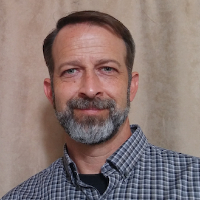
He trained with a BA in psychology from the University of Texas at Austin and completed an MA in clinical psychology at Stephen F. Austin State University. Much of his career was spent working as a mental health clinician at UTMB-CMC, where he supported people across different ages and backgrounds. That clinical work included both individual and group settings and experiences in inpatient care.
In sessions he adapts methods to the person in front of him. He commonly uses client-centered listening alongside Cognitive Behavioral Therapy and mindfulness-influenced skills. Paul also draws on solution-focused ideas and other approaches depending on the goals a person brings.
He has worked with many concerns including trauma and abuse, bipolar disorder, grief, relationship and intimacy issues, ADHD, sleep problems, first responder stress, and addiction. He also addresses issues such as attachment challenges, control issues, and gender dysphoria when they are part of a person’s story.
Paul describes his style as warm, respectful, and nonjudgmental. He helps people set clear goals, practice new skills between sessions, and make steady changes over time. To begin, he asks people to share what matters most so therapy can be focused and useful from the start.
Part 2 of 4
How his approaches translate to online work
Client-Centered Therapy focuses on listening and building a respectful relationship. The therapist offers space for people to tell their story and helps them find their own solutions, which can work well in remote sessions for steady, reflective progress.Cognitive Behavioral Therapy (CBT) helps people notice unhelpful thoughts and practice different behaviors. Online sessions can include skill practice, worksheets, and short between-session tasks to support change in everyday life.
Dialectical Behavior Therapy (DBT) emphasizes emotional regulation, distress tolerance, and interpersonal skills. When these skills are needed, they can be taught and rehearsed in conversation, and practiced in real situations between sessions.
Finding the right blend of approaches is part of the process. The therapist will work collaboratively to choose methods that match a person's needs, goals, and preferences rather than relying on a single method from the start.
Confirm the current session options before booking, as formats are not listed here. Online work can make it easier to fit appointments into busy schedules, reduce travel time, allow shorter focused check-ins, and suit people who prefer not to be on camera. Talk with the therapist about what will fit best with daily routines and therapeutic goals.
Part 3 of 4
Areas of expertise
Primary focus
Also works with
Additional focus areas
Therapeutic approaches
Experience
20+ years
Credentials
Texas
Languages
English
Part 4 of 4
Frequently asked questions
What kinds of concerns does he address?
He works with many issues including stress, anxiety, trauma and abuse, depression, bipolar disorder, addictions, grief, and sleep problems, among others.
What is his general therapeutic style?
His style is warm, respectful, and practical, focusing on listening, clear goals, and skills people can use between sessions.
What experience does he bring to therapy?
He has about 20 years of experience in the mental health field, including work as a mental health clinician at UTMB-CMC and both individual and group treatment settings.
What credentials and location are listed?
He is a Licensed Professional Counselor (LPC) in Texas and practices from Texas.
Which languages are available for sessions?
Sessions are offered in English.
Are international clients accepted?
International clients are not currently accepted.
How are fees and payment handled?
Cost varies with location and therapist availability, and sessions use a subscription that can be canceled at any time.
How do I begin working with him?
Start by selecting the Start Therapy button, completing a short matching questionnaire, and then scheduling according to the therapist's availability.