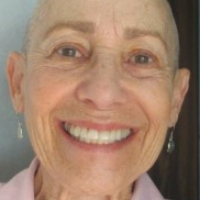
Part 1 of 4
- Trauma-informed care
- Practical coping skills
- Collaborative goal setting
About Nicole
She focuses on trauma and addiction while also helping with grief, relationship and intimacy concerns, sleep and eating issues, and work-related stress. Nicole uses straightforward conversation and tailored strategies to help people manage symptoms and build skills for daily life.
Her approach draws on client-centered methods that prioritize the person’s own goals and perspectives. She also uses cognitive behavioral techniques to identify unhelpful thoughts and DBT skills for managing strong emotions and improving coping.
Nicole incorporates trauma-focused work and motivational interviewing when relevant, helping clients process difficult experiences and find the motivation to change. Sessions are aimed at practical steps and clearer routines rather than abstract theory.
People who prefer direct, honest dialogue about their struggles often find her style useful. She expects active participation and works collaboratively to set manageable goals. Nicole’s work is guided by the belief that the therapeutic relationship matters and that clients play a central role in their own progress.
Part 2 of 4
How Nicole's Approaches Translate to Online Work
Nicole uses client-centered techniques that focus on the person’s goals and priorities, which means sessions tend to start with listening and clarifying what the client wants to change. Cognitive behavioral therapy (CBT) is also part of her work and involves identifying unhelpful thoughts and practicing new ways of thinking and behaving to reduce anxiety or depression.She sometimes draws on dialectical behavior therapy (DBT) skills to teach emotion regulation, distress tolerance, and interpersonal effectiveness for people who struggle with strong emotions. These skills are taught in short, practical exercises and can be practiced between sessions to build steady routines.
Finding the right approach is part of the process. Nicole will collaborate with each person to decide which methods fit their goals, needs, and preferences. That collaborative decision can change over time as progress is made or new issues arise.
If you are considering online therapy, check the session formats available before booking since the biography does not list them. Online work can make it easier to fit therapy into a busy life, allow shorter check-ins when schedules demand, and reduce the need to travel. Talk with Nicole during the first steps to confirm how sessions will be scheduled and to set practical expectations.
Part 3 of 4
Areas of expertise
Primary focus
Also works with
Additional focus areas
Therapeutic approaches
Experience
24+ years
Credentials
New Mexico
Languages
English
Part 4 of 4
Frequently asked questions
What concerns does Nicole commonly address?
She helps people with stress, anxiety, depression, addiction, trauma and abuse, and related issues like grief, sleep and eating problems.
What is her general therapy style?
Nicole uses a client-centered stance with practical techniques from cognitive behavioral therapy and DBT to teach coping skills and change unhelpful thinking.
How much experience does she have?
She has 24 years of clinical experience working with mood disorders, trauma, addiction, and a range of related concerns.
What credentials and location apply to this therapist?
She holds the LPCC credential and practices in New Mexico.
Which languages are supported and can international clients work with her?
Sessions are offered in English and she is not currently accepting international clients.
What session formats are available?
The original biography does not specify session formats; please confirm current session options before booking.
How are costs handled for sessions?
Cost varies with location and therapist availability; sessions use a subscription that can be canceled at any time.
How do I get started if I want to work with her?
Select the Start Therapy button, complete the short matching questionnaire, and schedule according to therapist availability.