Part 1 of 4
- Focus on relationships
- Practical skills
- Attachment work
About Natalia
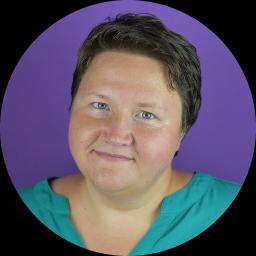
She brings 15 years of clinical work as a Licensed Marriage and Family Therapist - LMFT and LCMFT - based in Georgia. Her background includes working with survivors of narcissistic abuse, trauma bonding, and repeated relational hurt. In sessions she helps clients identify patterns that keep them giving more than they get and practice different ways of responding to people who have used or manipulated them.
Dr. Kuzmina draws on evidence-based approaches such as Acceptance and Commitment Therapy, Attachment-Based Therapy, Client-Centered Therapy, Cognitive Behavioral Therapy, and Dialectical Behavior Therapy. Those methods are used to address the experiences that shaped a person’s reactions and habits, not just the surface symptoms.
Her approach mixes practical skills with deeper work on attachment wounds and emotional regulation. She is direct when a challenge will help and stays supportive without judgment. The aim is steady progress toward clearer boundaries, healthier relationships, and greater self-worth.
People considering therapy are invited to review session options and scheduling details before booking to confirm what fits their needs.
Part 2 of 4
How therapeutic approaches translate to online work
Acceptance and Commitment Therapy (ACT) emphasizes noticing unhelpful thoughts and choosing actions that match personal values. It is useful for anxiety, depression, and making life changes. Cognitive Behavioral Therapy (CBT) helps identify and change thought patterns and behaviors that keep problems going, which can reduce symptoms of anxiety, depression, and stress. Attachment-Based Therapy looks at how early relationship patterns affect current connections and helps people develop new ways of relating and setting boundaries.Finding the right approach is part of the therapy process. The therapist will work together with the client to choose methods that fit their goals, preferences, and day-to-day needs. That collaborative process can include trying different techniques and adjusting the plan over time.
This profile does not list specific online session formats, so confirm available options before booking. Online work can make it easier to fit sessions into a busy life, allow check-ins during a lunch break, or let someone choose shorter or phone-based check-ins if they prefer less time on camera. Licensed professionals can use these approaches effectively in remote sessions, combining practical skills practice with discussion of attachment patterns and values-driven action.
Part 3 of 4
Areas of expertise
Primary focus
Also works with
Additional focus areas
Therapeutic approaches
Experience
15+ years
Credentials
Florida, Kansas, Georgia
Languages
English
Part 4 of 4
Frequently asked questions
What issues does she address?
She works with adults on stress, anxiety, trauma and abuse, depression, addictions, grief, intimacy issues, relationship and family concerns, ADHD, and related areas like boundary problems and caregiver stress.
How would you describe her therapeutic style?
Her style is direct and grounded while remaining compassionate. She mixes practical skill-building with deeper work on patterns and emotions.
What kind of background does she have?
She has 15 years of clinical experience working with adults harmed by repeated relational patterns, trauma bonding, and caregiving burdens.
What credentials and location are listed?
She holds the credentials LMFT and LCMFT and practices in Georgia.
Which languages are supported?
Sessions are offered in English.
What session formats are available?
The biography does not list specific session formats; please confirm current session options before booking.
How does payment and cost work?
Cost varies with location and therapist availability; sessions use a subscription model that can be canceled at any time.
What steps do I take to begin?
Use the Start Therapy button, complete a short matching questionnaire, and then schedule according to the therapist's availability.