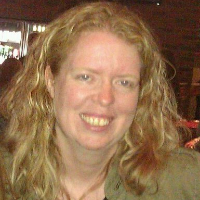
Part 1 of 4
- Relationship-focused
- Trauma-informed
- Skill-based
About Monica
With 12 years of clinical work behind her, Monica draws on several evidence-informed approaches rather than a single method. She uses Cognitive Behavioral Therapy to spot unhelpful thinking patterns, Emotionally-Focused Therapy to clarify attachment and emotional needs, and EMDR when trauma memories are blocking recovery. She adjusts the pace and tools to each person’s situation.
Monica often helps people address relationship strain, parenting stress, grief, addiction-related concerns, and mood disorders like depression and bipolar. She also supports those coping with panic, post-traumatic stress, self-harm histories, and struggles with self-esteem or isolation. She approaches topics such as family of origin issues, forgiveness, and life purpose in straightforward terms.
Sessions focus on practical skills, clearer communication patterns, and steps that fit everyday life. Monica encourages homework between sessions so progress continues outside the room. Her goal is to help people feel more connected to themselves and others and to build manageable routines that reduce distress.
To begin, she asks new clients to complete a short matching questionnaire and then schedule a time that fits their routine. The subscription used for sessions can be canceled at any time.
Part 2 of 4
How targeted approaches translate to online care
Attachment-Based Therapy focuses on emotional bonds and patterns people bring into relationships. Online sessions using this work help identify attachment needs and practice new ways of asking for connection and support. Cognitive Behavioral Therapy (CBT) breaks problems into thoughts, feelings, and actions. In virtual sessions CBT often means setting small tasks and testing new behaviors between meetings. Eye Movement Desensitization and Reprocessing (EMDR) is used to reduce the hold of painful memories; when it is part of care the therapist guides gradual processing while monitoring how the client responds.Finding the right approach is part of the therapy process. The therapist will work with each person to choose methods that match their goals, symptoms, and comfort level. That choice is collaborative and can change as progress is made.
Confirm the current session options before booking so you know what formats are available. Online work can make it easier to fit counseling into a busy life, reduce travel time, and allow more flexible scheduling. It also makes check-ins, skills practice, and written follow-ups easier to use between meetings. Ask about how a chosen approach will be adapted for remote sessions during the initial scheduling step.
Part 3 of 4
Areas of expertise
Primary focus
Also works with
Additional focus areas
Therapeutic approaches
Experience
12+ years
Credentials
Indiana
Languages
English
Part 4 of 4
Frequently asked questions
What kinds of concerns does she address?
Monica works with many common struggles including stress, anxiety, relationship problems, depression, grief, and trauma-related issues.
What is her approach in sessions?
Her style is warm and interactive. She blends practical techniques with emotional work and tailors the plan to each person.
How much clinical experience does she have?
She has 12 years of experience providing counseling and coaching for a wide range of concerns.
Where is she licensed and based?
She is a licensed marriage and family therapist (LMFT) licensed in Indiana.
Which languages are supported for sessions?
Sessions are offered in English.
Can people from other countries work with her?
She does not accept international clients at this time.
How are session costs handled?
Cost varies with location and therapist availability; sessions use a subscription that can be canceled at any time.
How do I begin working with her?
Select the Start Therapy button, complete a short matching questionnaire, and schedule according to therapist availability.