Part 1 of 4
- Goal focused
- Skill building
- Compassionate listener
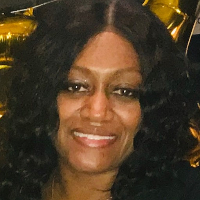
About Monica
She uses straightforward, practical work in sessions. Monica focuses on clear goals and small steps that fit into daily life. Sessions emphasize communication skills, coping tools, and ways to manage strong emotions.
With two decades of experience, Monica brings steady clinical practice and a patient approach. She draws on several evidence-informed methods to tailor work to each person’s needs. That might mean learning new ways to respond to stress or testing out different strategies between sessions.
Monica pays attention to how life context matters. She helps people who are juggling caregiving, chronic illness, blended family concerns, or career pressures. She also supports people dealing with identity questions, gender dysphoria concerns, or HIV related stress in the ways they choose.
Her work is collaborative and goal-minded. People can expect to talk through problems, try practical exercises, and set doable steps forward. Monica emphasizes respect, listening, and helping clients build skills that last beyond therapy.
Part 2 of 4
How her approaches translate to online work
Acceptance and Commitment Therapy, or ACT, helps people notice unhelpful thoughts and choose actions that match their values. It is often used for anxiety, depression, and coping with chronic stress. Cognitive Behavioral Therapy, CBT, focuses on identifying patterns of thinking and behavior that keep problems going and then practicing different responses. It can help with anxiety, mood, and problem-solving. Client-Centered Therapy centers the person’s experience and uses empathetic listening to help someone feel understood and to build trust in the therapeutic relationship.Finding the right approach is part of the process. The therapist works collaboratively to pick methods that match a person’s goals and preferences. That means trying things, checking what helps, and adjusting the plan over time so it fits the client’s needs.
The original biography does not specify which online formats are offered, so confirm current session options before booking. Online therapy can make it easier to fit sessions into a busy week, reduce travel time, and allow for shorter check-ins when needed. It can also let people use video when face-to-face interaction matters or opt for phone-based sessions if bandwidth is limited. Discussing practical details ahead of time helps match session style to daily life.
Part 3 of 4
Areas of expertise
Primary focus
Also works with
Additional focus areas
Therapeutic approaches
Experience
20+ years
Credentials
Maryland
Languages
English
Part 4 of 4
Frequently asked questions
What kinds of concerns does she address?
She supports people with stress, anxiety, depression, trauma and abuse, addictions, relationship and family issues, grief, body-image and eating concerns, parenting and caregiver stress, and related challenges.
How would you describe her therapeutic style?
She works in a collaborative, practical way with clear goals and small steps. Sessions focus on communication, coping skills, and real-world strategies that clients can use between visits.
What is her clinical background?
She has around 20 years of clinical experience working with a wide range of life stressors, long-term conditions, and identity-related concerns.
What are her credentials and where is she based?
She holds the LCSW-C credential and practices in Maryland.
Which languages are supported for sessions?
Sessions are offered in English.
What session formats are available?
The original biography does not list specific session formats. Confirm current session options with the service before booking.
How is cost handled for sessions?
Cost varies with location and therapist availability, and sessions use a subscription that can be canceled at any time.
How do I begin working with her?
Use the Start Therapy button, complete a short matching questionnaire, and schedule according to therapist availability.