Part 1 of 4
- Person-centred focus
- Ten years experience
- BACP registered
About Moira
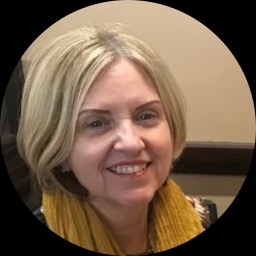
Moira holds an MA in Theology and a Diploma in Counselling. She is registered with the British Association for Counselling and Psychotherapy, which appears as BACP in her credentials. Her practice draws on ten years of experience with a wide range of emotional difficulties.
In sessions she focuses on the person in front of her rather than a fixed set of techniques. That means conversations follow what matters to the client, with the counsellor reflecting back what she hears and helping people find their own solutions. Practical goals and clearer communication are often part of the work.
Clients come for help with low mood, panic, substance difficulties, anger and surviving major life changes. Moira also supports people working through shame, isolation, self-harm thoughts and questions about identity and purpose. She aims to make sessions calm and straightforward, so people can talk honestly and start to feel steadier.
Her background in theology informs an approach that values curiosity and respect for each person’s beliefs. People who want a respectful, listening-focused counsellor may find her style welcoming and down to earth.
Part 2 of 4
Client-centred support adapted for online counselling
Client-Centred Therapy places the person’s experience at the heart of the work. The counsellor listens closely, reflects what she hears and helps the client explore feelings and choices. This approach can help with anxiety, depression, relationship strain and the emotional impact of life changes.Moira’s background in theology and ten years of practice shape a calm, respectful style. She works collaboratively with each person to decide which ways of working feel most helpful. Together they review goals and adjust the approach if something isn’t working.
If you are considering online sessions, please confirm the exact session formats offered before booking. Online work can make it easier to fit therapy into a busy day, reduce travel time and allow shorter check-ins when needed. Some people find it simpler to attend from different locations, to manage energy levels after injury, or to keep sessions within a work break. Registered or accredited professionals can help you weigh these practical benefits and choose what fits your needs.
Part 3 of 4
Areas of expertise
Primary focus
Also works with
Additional focus areas
Therapeutic approaches
Experience
10+ years
Credentials
See below
Languages
English
Part 4 of 4
Frequently asked questions
What kinds of problems does she help with?
She supports people with stress, anxiety, depression, grief, addictions and trauma-related concerns, including issues linked to traumatic brain injury.
What is her therapeutic style like?
She uses a person-centred approach that follows the client’s lead, offering empathetic listening and reflection. The aim is to help clients find their own solutions and clearer ways to communicate.
How much experience does she have?
She has worked in counselling for ten years, supporting people with a broad range of emotional and mental health issues.
What are her credentials and where is she based?
She holds an MA in Theology and a Diploma in Counselling, and is registered with the British Association for Counselling and Psychotherapy (BACP). She practises in the United Kingdom.
Which languages can sessions be held in?
Sessions are offered in English.
Can people outside the UK work with her?
She accepts international clients, so people outside the UK may be able to arrange sessions depending on scheduling and local considerations.
How much do sessions cost?
Fees vary with location and therapist availability; sessions use a subscription that can be cancelled at any time.
How do I start working with her?
Click the Start Therapy button, complete a short matching questionnaire, and then schedule sessions according to therapist availability.