Part 1 of 4
- Relationship-focused
- Practical strategies
- Minnesota licensed
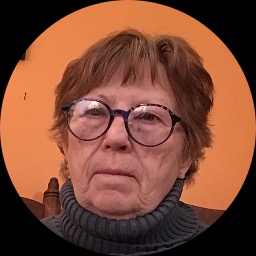
About Michal
Her sessions are conversational and down-to-earth. She draws on several approaches, including attachment-based work, client-centered methods, cognitive behavioral techniques, dialectical behavior strategies, and existential ideas. Rather than relying on jargon, she explains practical steps that can be tried between meetings.
Dr. Jorgens has supported people dealing with grief, intimacy issues, sleep and eating concerns, ADHD, chronic pain, caregiver stress, and many family-of-origin problems. She also helps clients navigate life transitions and challenges with self-esteem, communication, and codependency. Her focus includes work related to trauma, abuse, and compassion fatigue.
She uses her years of clinical work to help identify what may move a person forward. Together with the client she considers goals and options, then adapts techniques to fit daily life. She stresses collaboration and clear explanations so each step feels manageable.
Sessions begin with a short assessment to understand concerns and priorities. People curious about therapy are invited to try a first session and see how the working relationship feels before committing to ongoing work.
Part 2 of 4
How her approaches translate to online therapy
Attachment-based work focuses on patterns in close relationships and helps people understand how early bonds affect current behavior and feelings; this can be useful for relationship worries, attachment issues, and family-of-origin concerns. Client-centered therapy centers on listening and reflecting back what the client says, creating space for someone to find their own answers and build self-esteem. Cognitive Behavioral Therapy (CBT) looks at how thoughts, feelings, and actions interact and offers specific exercises to change unhelpful patterns, which can help with anxiety, depression, and coping strategies.Finding the right approach is part of the process. The therapist will work with the person to identify goals and try methods that fit their needs and preferences. This is a collaborative process and adjustments are made over time based on what helps.
Please confirm available session options before booking as formats are not specified in the biography. Online work can make it easier to fit sessions into a busy life, reduce travel time, and allow more flexible scheduling. It can also make shorter check-ins and follow-up conversations simpler to arrange. Licensed professionals can adapt these approaches to the session length and style that suit each person's daily routine.
Part 3 of 4
Areas of expertise
Primary focus
Also works with
Additional focus areas
Therapeutic approaches
Experience
28+ years
Credentials
Minnesota
Languages
English
Part 4 of 4
Frequently asked questions
What kinds of problems does she address?
She helps people with stress, anxiety, depression, addictions, trauma and abuse, grief, relationship and intimacy issues, sleep and eating problems, ADHD, and related concerns listed in her profile.
What is her general therapy style?
Her approach is informal and conversational. She emphasizes the quality of the relationship and uses practical techniques from several therapeutic models.
How much clinical experience does she bring?
She has 28 years of experience working in outpatient clinical settings and applies that experience to help clients find workable steps forward.
What are her credentials and where is she located?
She is a Minnesota Psychologist with the credential listed as MN Psychologist LP4502 and practices in Minnesota.
Which languages are supported in sessions?
Sessions are offered in English.
Are international clients served?
International clients are not currently accepted.
How are fees and payment handled?
Cost varies with location and therapist availability; sessions use a subscription that can be canceled at any time.
How do I begin work with this therapist?
Start by selecting the Start Therapy button, complete a short matching questionnaire, and schedule according to therapist availability.