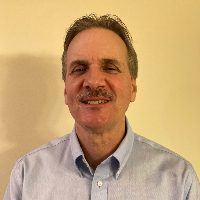
Part 1 of 4
- Recovery-oriented
- Practical strategies
- Long-term experience
About Michael
He uses a recovery-minded stance that keeps goals practical and focused. Sessions typically center on what is happening now and what can be done next. He listens for strengths and builds step-by-step plans to improve daily functioning, sleep, and relationships.
Across his career he has worked in many settings including mental health and substance-abuse services. He has decades of experience as a clinical supervisor, and he has consulted on trainings and program development. That background informs a structured, experienced approach in the room.
His work includes helping people cope with chronic illness, caregiving stress, codependency, and loneliness. He also supports concerns about parenting, fatherhood, anger, career transitions, and identity-related issues such as LGBT concerns.
Michael blends client-centered listening with practical tools from cognitive behavioral and mindfulness approaches. He also uses motivational interviewing and psychodynamic ideas when they fit a person's goals. This mix aims to make change feel doable instead of overwhelming.
Part 2 of 4
Approaches used in online therapy and how they help
Michael uses client-centered therapy to start by listening to each person's story and priorities. This approach focuses on understanding the person's goals and building a plan that fits their daily life. Cognitive behavioral therapy, or CBT, provides practical tools to change unhelpful thinking and behavior patterns that worsen anxiety, depression, sleep, or eating concerns.Finding the right approach is part of the work. He will talk with each client about goals and preferences and then try methods that match those goals. Therapy is collaborative - the client and therapist adjust approaches as progress and needs change.
The original biography does not specify which session formats are used, so please confirm current online options before booking. In general, online therapy can make it easier to fit appointments into a busy schedule, allow shorter check-ins when needed, and avoid travel time. It can also let people keep therapy consistent during life transitions or when managing caregiving or health-related demands.
Part 3 of 4
Areas of expertise
Primary focus
Also works with
Additional focus areas
Therapeutic approaches
Experience
40+ years
Credentials
Virginia
Languages
English
Part 4 of 4
Frequently asked questions
What kinds of concerns can be addressed here?
He helps people with stress, anxiety, addiction, trauma, grief, depression, and life transitions. Additional focuses include caregiver stress, chronic pain or illness, parenting and fatherhood issues, and identity-related concerns.
How would you describe his therapeutic style?
His approach is recovery-minded and practical. He combines listening with concrete steps from client-centered care, cognitive behavioral work, and mindfulness techniques.
What background does he bring to sessions?
He has about 40 years of experience across mental health, substance-abuse, and trauma services. He has also served as a clinical supervisor and consultant on trainings and program development.
Where is he based and what credential does he hold?
He is based in Virginia and holds the credential LCSW, which stands for Licensed Clinical Social Worker.
Which languages are supported for sessions?
Sessions are offered in English and international clients are accepted.
What session formats are available?
The original biography does not list specific session formats. Please confirm current session options before booking so you know whether online or in-person appointments are offered.
How does pricing work for sessions?
Cost varies by location and therapist availability and sessions use a subscription that can be canceled at any time.
How do I begin working with him?
Use the Start Therapy button, complete a short matching questionnaire, and then schedule according to the therapist's availability.