Part 1 of 4
- Practical skill-building
- Warm interactive style
- Utah based
About Matthew
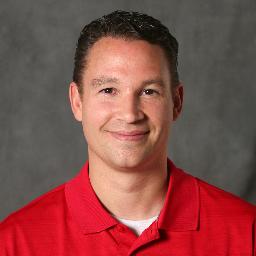
His style is warm and interactive. Sessions focus on clear goals and practical skills. He blends ways of working that include Cognitive Behavioral Therapy, Client-Centered Therapy, and Emotionally-Focused Therapy to match each person’s needs. Conversations are direct but compassionate, and he aims to make the next steps manageable.
Dr. Reiser earned a Bachelor of Arts in Psychology and a Bachelor of Arts in Family and Human Development from the University of Utah. He then completed a Master of Arts in Family, Consumer, and Human Development at Utah State University, followed by a Ph.D. in Counseling Psychology from Brigham Young University. He lists a total of 19 years of professional experience and holds the credential UT Psychologist 5184406-2501.
He has worked in college counseling centers and in private practice, and has experience with biofeedback and sport psychology. In sessions he will tailor techniques to what is most helpful, mixing skill-building, emotional work, and problem-solving. He aims to help people move from feeling stuck to finding practical ways forward.
Outside of clinical work he enjoys time with family and friends, watching and playing sports, listening to music, traveling, and outdoor activities.
Part 2 of 4
Approaches you may work with online
Acceptance and Commitment Therapy helps people clarify what matters most and take small actions toward those values. It focuses on mindful awareness and accepting difficult thoughts while building committed behavior change, which can help with anxiety, depression, and life transitions.Cognitive Behavioral Therapy is a skills-focused approach that looks at links between thoughts, feelings, and behavior. It uses practical tools like behavioral experiments and thought work to reduce symptoms of anxiety, depression, and stress and to improve sleep and eating patterns.
Finding the right approach is a collaborative process. The therapist will discuss goals, try methods that fit the person’s needs, and adjust the plan over time. Clients help shape which techniques are used and when to focus on skills, emotions, or relationship work.
Confirm the available session options before booking, as formats are not detailed here. Online work can make it easier to fit therapy into a busy day, reduce travel time, and allow shorter check-ins when needed. It also lets people use tools learned in sessions in their everyday routines, which can speed up applying new skills to real situations.
Part 3 of 4
Areas of expertise
Primary focus
Also works with
Additional focus areas
Therapeutic approaches
Experience
19+ years
Credentials
Utah
Languages
English
Part 4 of 4
Frequently asked questions
What concerns does he help with?
He supports people with stress, anxiety, depression, trauma and abuse, relationship and intimacy issues, addictions, grief, parenting and family concerns, ADHD, eating and sleeping problems, and related challenges.
How would you describe his therapeutic style?
His style is empathic and interactive, focusing on clear goals and practical skills while attending to feelings and relationships.
What background does he bring to sessions?
He has 19 years of professional experience and has worked at multiple university counseling centers as well as in private practice.
What are his credentials and where is he located?
He is listed as UT Psychologist 5184406-2501 and practices in Utah.
Which languages are supported for therapy?
Sessions are offered in English.
Can international clients work with him?
He does not accept international clients at this time.
How is cost handled for sessions?
Cost varies with location and therapist availability, and sessions use a subscription that can be canceled at any time.
How do I begin the process?
Use the Start Therapy button, complete a short matching questionnaire, and schedule according to the therapist's availability.