Part 1 of 4
- Focused on skills
- Values-based support
- Ten years' experience
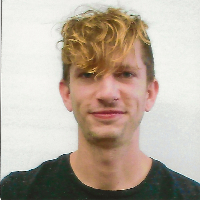
About Matthew
He draws on approaches such as cognitive behavioral therapy, acceptance and commitment therapy, attachment-based work, and client-centered care. Sessions focus on building small skills for managing difficult feelings, improving relationships, and setting achievable goals. He also addresses issues like sleep, eating, trauma and abuse, anger, and ADHD-related challenges.
With ten years of experience, Matthew has worked in general mental health and substance use settings. That background informs his work with people coping with co-occurring concerns, chronic illness, caregiver stress, and complicated grief. He also supports those facing career changes, parenting strain, and intimacy-related worries.
Matthew combines talk-based methods with practical strategies you can use between sessions. He uses motivational interviewing and solution-focused techniques when helpful to move people toward clearer choices and actions. People can expect a collaborative pace and concrete steps tailored to daily life.
Sessions reflect his Christian-informed perspective when relevant to a client's values. He practices in Florida and conducts therapy in English. To start, clients use the Start Therapy flow and complete a short matching questionnaire before scheduling.
Part 2 of 4
How his approaches fit into online care
Acceptance and Commitment Therapy (ACT) helps people notice thoughts and feelings without getting stuck, then choose actions that match their values. It can be useful for anxiety, stress, and coping with life changes. Cognitive Behavioral Therapy (CBT) focuses on identifying unhelpful thinking patterns and practicing new behaviors to reduce symptoms like depression or sleep problems. Attachment-Based Therapy looks at relationship patterns that started early and helps people change how they connect with others.Finding the right approach is part of the work. The therapist will discuss options and try methods that match a client's goals and preferences. This is a collaborative process and plans can be adjusted as progress is made.
Session format details are not specified here, so confirm available online options before booking. Online therapy can make it easier to fit sessions into a busy week, reduce travel time, and allow brief check-ins on harder days. Some approaches lend themselves to short skills practice between meetings and written exercises that can be reviewed during sessions. Licensed professionals can use these methods to help people manage symptoms, build coping skills, and work toward clearer goals without promising specific outcomes.
Part 3 of 4
Areas of expertise
Primary focus
Also works with
Additional focus areas
Therapeutic approaches
Experience
10+ years
Credentials
Florida
Languages
English
Part 4 of 4
Frequently asked questions
What concerns does he help with?
He works with stress, anxiety, depression, addictions, trauma and abuse, grief, relationship and intimacy issues, sleep and eating concerns, ADHD, and related challenges.
How would you describe his therapy style?
His approach is practical and collaborative, blending cognitive behavioral techniques with acceptance and commitment ideas and client-centered listening.
What is his professional background?
He has ten years of experience working in general mental health and substance use settings with adults and youth.
What credentials and region are listed?
He is a licensed mental health counselor, LMHC, practicing in Florida.
In which language are sessions offered?
Sessions are offered in English and international clients are not accepted.
What session formats are available?
Session formats are not specified here; confirm current session options before booking.
How does payment and cost work?
Costs vary with location and therapist availability; sessions use a subscription that can be canceled at any time.
How do I begin working with him?
Use the Start Therapy button, complete a short matching questionnaire, and schedule according to the therapist's availability.