Part 1 of 4
- Person-centered care
- Evidence-based tools
- Inclusive approach
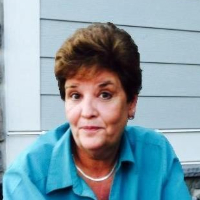
About Mary
Her sessions aim to be welcoming and inclusive. She emphasizes trust and self-compassion while helping people talk through communication problems, social anxiety, and recovery from difficult events. The tone in sessions is warm and straightforward, with a focus on practical steps the client can try between meetings.
Dr. Inzerillo blends person-centered listening with structured, evidence-based techniques. She draws from cognitive behavioral methods and dialectical behavior strategies to help manage thoughts and strong emotions. Acceptance and Commitment Therapy ideas are used to clarify values and guide action when life feels overwhelming.
Attachment-based approaches are part of her work when relationship patterns and early connections affect current struggles. That can look like mapping how past relationships shape current reactions and practicing new ways of relating in everyday life.
Clients can expect a collaborative process that looks at both immediate coping skills and longer-term patterns. Dr. Inzerillo aims to help people build resilience, improve communication, and take steps toward their goals at a pace that feels manageable.
Part 2 of 4
How therapeutic approaches guide online work
Acceptance and Commitment Therapy helps people notice difficult thoughts and feelings without getting stuck in them, then take steps that match their values. It is useful for anxiety, depression, and coping with life changes. Cognitive Behavioral Therapy focuses on practical skill building and changing unhelpful thinking patterns, which can reduce symptoms of anxiety, depression, and stress.Finding the right approach is part of the work. The therapist will collaborate with each person to choose methods that match their goals, needs, and preferences. That means trying tools, checking what helps, and adjusting the plan together over time.
The practical benefits of online therapy include fitting sessions into a busy week and keeping up continuity during life transitions. Because the exact online session formats were not listed in the biography, confirm available options before booking. Many people appreciate being able to schedule therapy around work, reduce travel time, and use shorter check-ins when needed. Licensed professionals can adapt ACT and CBT exercises to work well in remote sessions, focusing on skills you can use between meetings.
Part 3 of 4
Areas of expertise
Primary focus
Also works with
Additional focus areas
Therapeutic approaches
Experience
25+ years
Credentials
Pennsylvania
Languages
English
Part 4 of 4
Frequently asked questions
What problems does this therapist commonly address?
She works with stress, anxiety, depression, addictions, grief, relationship and intimacy issues, eating and sleeping concerns, parenting strain, ADHD, and trauma and abuse related issues.
How would you describe her therapeutic style?
Her style is warm and person-centered, combining listening with practical exercises and skill building to help people handle emotions and improve communication.
What kind of experience does she bring to therapy?
She has 25 years of clinical experience working with individuals through life changes, recovery, and ongoing mental health concerns.
Where is the therapist based and what credential does she hold?
She practices in Pennsylvania and holds an LPC credential, listed as PA LPC.
Can sessions be conducted in other languages or with international clients?
Sessions are offered in English and international clients are accepted.
What session formats are offered?
Session formats were not specified in the biography; confirm current session options before booking.
How are fees handled for therapy?
Cost varies with location and therapist availability, and sessions use a subscription that can be canceled at any time.
How does someone begin working with this therapist?
Select the Start Therapy button, complete a short matching questionnaire, and schedule according to therapist availability.