Part 1 of 4
- Client-centered approach
- Mindfulness and CBT
- Trauma-aware care
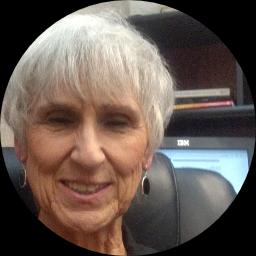
About Mary
In sessions she uses clear, practical methods from client-centered work and cognitive behavioral therapy to address thoughts and behaviors that get in the way of everyday life. She also draws on mindfulness techniques to help people manage stress and on hypnotherapy when appropriate. Conversations are collaborative and paced to each person’s comfort.
Mary Helen helps people sort through complex life changes like divorce, caregiving, chronic illness, or career transitions. She also supports those dealing with intimacy concerns, addiction, anger, and issues tied to family of origin. She frames problems simply and focuses on steps that can be tried between sessions.
Her background includes long experience with workplace and caregiver stress, aging and geriatric issues, and end-of-life concerns. She frequently addresses communication problems, blended family dynamics, and forgiveness work. The aim is to reduce day-to-day strain and improve coping.
Sessions are conducted in English from her Texas practice. People interested in starting begin by using the Start Therapy button, completing a short matching questionnaire, and scheduling according to her availability.
Part 2 of 4
How her approaches can work online
Client-centered therapy focuses on listening and meeting each person where they are. It helps people feel heard, clarifies what matters to them, and builds on their strengths to solve everyday problems.Cognitive behavioral therapy (CBT) looks at the thoughts and behaviors that keep problems going. It uses straightforward exercises and practice between sessions to reduce anxiety, depression, and stress-related patterns.
Mindfulness techniques teach simple attention and breathing practices to lower reactivity and manage strong emotions. These tools often help with stress, grief, and coping during life transitions.
Finding the right approach is part of the work. The therapist will talk with the client about goals, try methods that fit their needs, and adjust as progress is made. That collaborative process helps identify which techniques feel most useful.
Practical benefits of online therapy include fitting sessions into a busy schedule and keeping appointments consistent during life changes. Because the biography does not list specific session formats, confirm the available options before booking. Online work can make it easier to maintain momentum between sessions and practice exercises in daily life without requiring extra travel.
Part 3 of 4
Areas of expertise
Primary focus
Also works with
Additional focus areas
Therapeutic approaches
Experience
48+ years
Credentials
Texas
Languages
English
Part 4 of 4
Frequently asked questions
What kinds of problems can this therapist help with?
She works with stress, anxiety, depression, grief, relationship and family concerns, trauma and abuse, addiction, anger, and many life changes.
How would you describe her therapeutic style?
Her style is collaborative and practical, using client-centered listening, cognitive behavioral techniques, mindfulness, and hypnotherapy when helpful.
How long has she been practicing?
She has 48 years of professional experience as a psychotherapist in clinical settings.
What credentials and location are listed for this therapist?
She is a Licensed Marriage and Family Therapist (LMFT) based in Texas.
Are sessions offered in other languages or internationally?
Sessions are offered in English and she does not accept international clients at this time.
What session formats are available?
The original biography does not specify session formats; please confirm current session options before booking to know which formats are offered.
How does pricing work for sessions?
Cost varies with location and therapist availability; sessions use a subscription that can be canceled at any time.
What are the first steps to begin therapy?
Use the Start Therapy button, complete a short matching questionnaire, and schedule according to the therapist’s availability.