Part 1 of 4
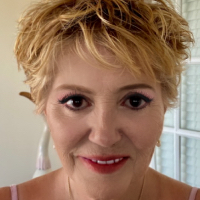
About Mary
She has worked in many settings including community clinics, in-home care, schools, hospitals, inpatient mental health, and hospice. That variety shaped a practical approach to common problems like relationship strain, career stress, and coping with major life changes.
Mary’s style is warm and interactive. She treats people with respect, sensitivity, and compassion. Sessions are tailored to each person’s needs and paced to what feels manageable.
In session she uses straightforward techniques from client-centered work, cognitive behavioral methods, mindfulness, dialectical behavior ideas, and motivational interviewing. Those tools are used to help with mood, anxiety, trauma, and behavior change rather than as labels or promises.
She also brings experience supporting people facing caregiving stress, cancer, chronic illness, and adoption or foster care questions. Mary focuses on practical steps people can try between sessions to build coping skills and clearer communication.
If you are ready to consider change, Mary offers guidance and support to set goals and take small steps toward them.
Part 2 of 4
How therapeutic approaches shape online work
Client-centered therapy focuses on the person's perspective and values. The therapist listens closely and helps people find their own solutions, which can be useful for grief, life transitions, and building confidence.Cognitive Behavioral Therapy, or CBT, looks at how thoughts, feelings, and actions connect. It offers practical exercises and small changes people can try between sessions to reduce anxiety or low mood.
Dialectical Behavior Therapy, DBT, emphasizes skills for managing strong emotions and improving relationships. It teaches tools for distress tolerance, emotion regulation, and clearer communication.
Finding the right approach is a collaborative process. The therapist will discuss your goals and preferences and adjust methods over time. Many people try a mix of techniques and refine what works for them as therapy progresses.
The original biography does not specify which online session formats are provided, so confirm current session options before booking. Online work can make it easier to fit sessions into a busy week, allow shorter check-ins when needed, and reduce travel time. Licensed professionals can adapt CBT exercises, client-centered conversations, and DBT skills work to a remote setting while focusing on what helps you meet your goals.
Part 3 of 4
Areas of expertise
Primary focus
Also works with
Additional focus areas
Therapeutic approaches
Experience
26+ years
Credentials
North Carolina
Languages
English
Part 4 of 4
Frequently asked questions
What kinds of concerns does Mary often address?
She helps people with depression, anxiety, grief, eating and relationship concerns, trauma and abuse, bipolar and ADHD symptoms, caregiving stress, and other life changes.
How would you describe her therapeutic style?
Her approach is warm and interactive, with sessions tailored to each person's situation. She uses practical techniques and works collaboratively on goals.
What is her professional background?
Mary has 26 years of experience working in community health, in-home care, schools, hospitals, inpatient mental health, and hospice settings.
Where is Mary based and what credential does she hold?
She practices in North Carolina and holds an LCSW, listed as NC LCSW.
Are sessions available in other languages or internationally?
Sessions are offered in English and she accepts international clients.
What session formats are offered?
The original biography does not list specific session formats, so confirm current session options before booking.
How are fees handled?
Cost varies with location and therapist availability; sessions use a subscription that can be canceled at any time.
How do I begin working with Mary?
Choose the Start Therapy button, complete a short matching questionnaire, and schedule according to therapist availability.