Part 1 of 4
- Client-centered care
- CBT and DBT tools
- Mindfulness practices
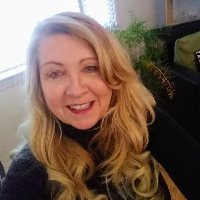
About Lynne
She uses a mix of methods that fit each person’s situation rather than one fixed style. In sessions she listens closely, helps people identify patterns that get in the way, and works on skills to handle strong emotions and cravings. She often uses cognitive behavioral techniques to spot unhelpful thoughts and behavioral experiments to try new ways of coping.
Lynne also draws on client-centered principles that prioritize the person’s goals and experience in the room. Mindfulness practices are used when they help someone stay grounded and reduce reactivity. When relationship issues appear, she uses Imago ideas to improve communication and understanding between partners or within family dynamics.
Her background includes a range of settings and populations over more than a decade in Maryland. The LCPC credential indicates a licensed clinical professional counselor in Maryland. Sessions are offered in English.
People who reach out should expect straightforward explanations and practical steps they can try between meetings. Lynne asks about current needs and tailors each session to what will make the most difference for that person.
Part 2 of 4
How these approaches can work online
Client-centered therapy focuses on the person in front of the therapist. It means listening carefully and following the person’s goals, which helps people feel heard and direct the work. Cognitive behavioral therapy, or CBT, looks at the link between thoughts, feelings, and actions and uses practical exercises to change unhelpful patterns. DBT, or dialectical behavior therapy, teaches emotion regulation, distress tolerance, and interpersonal skills to reduce overwhelming reactions and risky behaviors.Choosing the right approach is part of the work together. The therapist will discuss goals, try methods that match needs, and adjust the plan based on what helps most. That collaborative process lets someone test different tools and keep what works.
If you prefer online sessions, confirm the specific session options before booking since formats are not listed here. Online therapy can help fit meetings into a busy week, reduce travel time, and allow shorter check-ins when needed. It can also make it easier to continue care during life transitions or after a traumatic event. Licensed professionals will work with you to schedule sessions that match daily routines and treatment goals.
Part 3 of 4
Areas of expertise
Primary focus
Additional focus areas
Therapeutic approaches
Experience
13+ years
Credentials
Maryland
Languages
English
Part 4 of 4
Frequently asked questions
What concerns does Lynne commonly address?
She focuses on stress, anxiety, addictions, trauma and abuse, self-esteem issues, and depression, plus related issues like family origin problems and first responder stress.
What is Lynne's therapy style like?
Her style blends listening with practical skill-building. Sessions emphasize identifying patterns, trying small changes, and building coping skills.
How much clinical experience does she have?
She has 13 years of experience working in a variety of settings with diverse client concerns.
What credentials and location are listed?
She holds an LCPC credential in Maryland and practices with that licensure in the state.
Which languages are available for sessions?
Sessions are offered in English.
Can international clients work with her?
International clients are not currently accepted.
How are sessions paid for and what does cost look like?
Cost varies with location and therapist availability; sessions use a subscription that can be canceled at any time.
How do I begin the process?
Use the Start Therapy button, complete a short matching questionnaire, and schedule according to therapist availability.