Part 1 of 4
- Warm and down-to-earth
- Skills and coping focus
- Respectful and collaborative
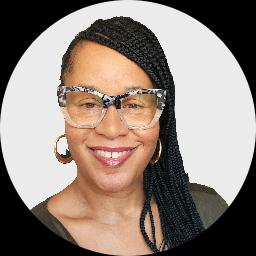
About Leslie
She works with people from marginalized communities and those affected by religious or spiritual harm. Many clients also come for issues around career stress, parenting, addictions, identity and self-esteem, and the everyday fallout from life changes. Leslie aims to avoid stigmatizing labels and treats each person as an individual.
Her style mixes practical talk and skill-building with a human-centered stance. She uses methods drawn from cognitive behavioral approaches, acceptance and commitment ideas, dialectical behavior strategies, and client-centered work. She also uses relationship tools influenced by the Gottman Method when appropriate.
Leslie emphasizes the working relationship as central to progress. She adapts sessions to each person’s needs and focuses on building a respectful, collaborative bond. Sessions include clear steps, skills practice, and space to process emotions.
People who come to her can expect straightforward guidance, active listening, and a focus on tangible changes. She encourages questions and works with clients to set realistic goals they can work toward between meetings.
Part 2 of 4
Therapeutic approaches and online support
Acceptance and Commitment Therapy (ACT) encourages noticing thoughts and values-based action. It helps when worry or avoidance gets in the way of living a meaningful life. Cognitive Behavioral Therapy (CBT) focuses on identifying unhelpful thinking and trying out new behaviors to reduce distress and improve daily functioning. Dialectical Behavior Therapy (DBT) teaches emotion regulation and coping skills for intense feelings and relationship strain.Finding the right approach is part of the work together. The therapist will collaborate with each person to decide which methods fit their goals and preferences. That choice is revisited as needs change and progress is made.
The therapist's profile does not list specific online session formats, so confirm which options are offered before booking. In general, online sessions can make it easier to fit therapy into a busy schedule, allow shorter check-ins when needed, and reduce travel time. Licensed professionals can use online work to teach skills, practice coping strategies, and support recovery from trauma or life transitions while tailoring the pace to each person.
Part 3 of 4
Areas of expertise
Primary focus
Also works with
Additional focus areas
Therapeutic approaches
Experience
12+ years
Credentials
Florida
Languages
English
Part 4 of 4
Frequently asked questions
What concerns does Leslie address?
She supports people with stress, anxiety, depression, trauma and abuse, traumatic brain injury, relationship and intimacy issues, grief, parenting strain, addictions, ADHD, and related life changes.
How would you describe her therapeutic style?
Her style is warm, optimistic, and sometimes humorous. She aims for respect and sensitivity while focusing on practical skills and emotional processing.
What is her clinical background and experience?
Leslie is a Licensed Marriage and Family Therapist with 12 years of experience working with diverse concerns including post traumatic stress and traumatic brain injury.
Where is she based and what credential does she hold?
She practices in Florida and holds the credential FL LMFT, a Licensed Marriage and Family Therapist credential in Florida.
What languages are sessions offered in?
Sessions are offered in English and she accepts international clients.
Which session formats are available?
The original biography does not list specific session formats; please confirm current session options before booking.
How much do sessions cost?
Cost varies with location and therapist availability; sessions use a subscription that can be canceled at any time.
How do I begin working with her?
Click the Start Therapy button, fill out a short matching questionnaire, and schedule according to the therapist's availability.