Part 1 of 4
- Mindfulness-based skills
- Goal focused planning
- Veteran outreach
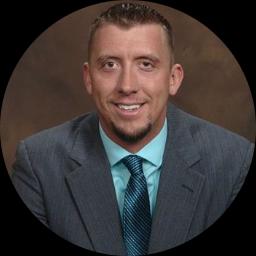
About Kurt
Kurt uses mindfulness and other focused methods to help people notice unhelpful patterns. He teaches simple skills for managing anxiety and for steadier moods. Sessions aim to be straightforward and useful rather than overly technical.
His practice emphasizes outreach and access. Kurt has experience supporting veterans, people experiencing homelessness, and young people with disabilities and trauma histories. He seeks to reduce barriers so people in rural Montana can get help when they need it.
Kurt blends talk work with practical exercises. He often uses strategies from Cognitive Behavioral Therapy and Dialectical Behavior Therapy to change distressing thoughts and build coping skills. Motivational Interviewing and Solution-Focused techniques are used to clarify goals and make step-by-step plans.
People who prefer a direct, down-to-earth approach tend to do well with Kurt. He aims to create a calm space to talk, practice new skills, and test changes between sessions. Prospective clients should confirm current session formats and scheduling options before booking.
Part 2 of 4
How therapeutic approaches shape online care
CBT, or Cognitive Behavioral Therapy, focuses on identifying and changing unhelpful thoughts and behaviors. It is often used for anxiety, depression, and stress by teaching practical exercises people can practice between sessions.DBT, Dialectical Behavior Therapy, teaches emotion regulation, distress tolerance, and interpersonal skills. It can help people who struggle with intense emotions or ongoing relationship stress by offering step-by-step coping tools.
Finding the right approach is part of the work. Kurt will collaborate with each person to decide which methods fit best based on goals and preferences. That decision is revisited as progress happens so plans can change when needed.
Confirm current session options before booking since formats are listed by the practice. Online therapy can make it easier to fit sessions into a busy life, reduce travel time, and allow for shorter check-ins when schedules are tight. It can also support people living in rural Montana who need access without long drives. The emphasis is on practical benefits so therapy can be used consistently and work alongside everyday responsibilities.
Part 3 of 4
Areas of expertise
Primary focus
Additional focus areas
Therapeutic approaches
Experience
4+ years
Credentials
Montana
Languages
English
Part 4 of 4
Frequently asked questions
What concerns does Kurt commonly address?
He focuses on stress, anxiety, trauma and abuse, parenting strain, self-esteem, and depression. Additional focus areas include chronic illness, caregiver stress, substance concerns, and family of origin issues.
How would you describe his therapy style?
Kurt uses a practical, down-to-earth approach. He combines mindfulness, skills practice, and goal-oriented techniques to help people manage symptoms and make changes.
What is his professional background and experience?
He has four years of clinical experience and draws on prior military service and work in education. That background shapes his focus on resilience and community outreach.
What credentials and region are listed for this therapist?
He holds an LCPC credential and practices in Montana. The practice is based in the Flathead Valley with outreach to rural areas.
Which languages are sessions offered in?
Sessions are offered in English only.
Are international clients accepted?
International clients are not currently accepted.
How are sessions priced?
Cost varies with location and therapist availability; sessions use a subscription that can be canceled at any time.
What are the steps to begin working together?
Click the Start Therapy button, complete a short matching questionnaire, and schedule according to therapist availability.