Part 1 of 4
- Focus on relationships
- Practical coping steps
- Purpose and meaning
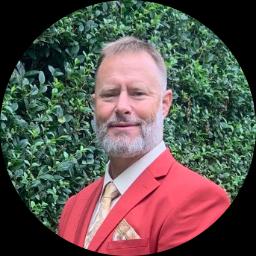
About Kevin
He blends practical conversation with focused methods to help people find clearer direction and renewed purpose. Sessions emphasize honest talk about what matters most and steps that fit into everyday life. He aims to make space for difficult feelings without judgment.
Kevin draws on approaches such as Attachment‑Based Therapy, Client‑Centered Therapy, Cognitive Behavioral Therapy (CBT), Emotionally‑Focused Therapy (EFT), and the Gottman Method. These methods guide how he helps people handle communication problems, commitment worries, and patterns of avoidance or emptiness.
Before his clinical work he served many years as a U.S. Army Ranger Chaplain and has experience supporting service members and faith communities through teaching, counseling, and coaching. That background informs his focus on purpose, resilience, and practical coping skills.
People who choose him can expect a calm, direct style and a focus on clear goals. He works with each person to identify small, achievable steps toward better relationships, healthier routines, and a stronger sense of direction.
Part 2 of 4
How his approaches translate to online work
Attachment‑Based Therapy focuses on how early bonds affect current relationships and communication. It helps people notice patterns in close connections and try new ways of relating that feel safer and more connected.Client‑Centered Therapy centers the client's own goals and experience. The therapist listens closely, reflects what he hears, and follows the client's lead to find solutions that make sense for that person's life.
Cognitive Behavioral Therapy, or CBT, looks at the links between thoughts, feelings, and actions. It offers practical tools to change unhelpful thinking and build routines that reduce anxiety and increase confidence.
Finding the right approach is a collaborative process. He will work with each person to match methods to their needs, goals, and preferences rather than prescribing one fixed pathway. That collaboration includes checking what is helping and adjusting the plan as work progresses.
Session logistics should be confirmed before booking since the biography does not list specific online formats. In general, online work can make it easier to fit sessions into busy schedules, allow for shorter check‑ins when needed, and reduce travel time. Talk with the therapist about how to shape sessions so they work with everyday life and responsibilities.
Part 3 of 4
Areas of expertise
Primary focus
Also works with
Additional focus areas
Therapeutic approaches
Experience
6+ years
Credentials
Texas
Languages
English
Part 4 of 4
Frequently asked questions
What concerns does he help with?
He supports people dealing with stress, anxiety, relationship issues, grief, self‑esteem problems, trauma and abuse, parenting strain, and career difficulties.
How would you describe his therapeutic style?
He uses a calm, direct approach that centers on honest conversation and practical steps. Sessions focus on identifying goals and building everyday habits that support those goals.
What experience does he bring to therapy?
He has six years of professional clinical experience and more than three decades of military chaplain service working with service members and faith communities.
What credentials and location are listed?
He is licensed as an LMFT - Licensed Marriage and Family Therapist - in Texas.
In which language are sessions offered?
Sessions are offered in English.
What session formats are available?
The original biography does not list specific session formats, so confirm current session options before booking.
How are fees handled?
Cost varies with location and therapist availability, and sessions use a subscription that can be canceled at any time.
How do I begin working together?
Select the Start Therapy button, complete a short matching questionnaire, and schedule according to the therapist's availability.