Part 1 of 4
- Trauma informed care
- Skill based support
- Collaborative planning
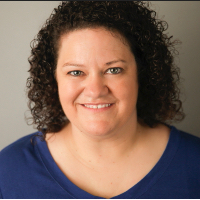
About Katherine
She aims to make sessions feel practical and focused. Conversations often include clear skills to try between meetings, short-term plans for safety and coping, and space to talk about painful memories. Katherine balances direct problem-solving with time to process feelings so clients leave with both relief and next steps.
Her work draws on several approaches, including acceptance and commitment techniques, cognitive behavioral ideas, and emotion-focused methods. These methods are used to help people notice unhelpful patterns, try new actions, and improve important relationships. She adapts methods to what a person finds useful rather than following a rigid protocol.
Katherine has practiced as an LCSW for four years in North Carolina. She has experience supporting young adults, veterans, first responders, and people dealing with workplace stress. Her background includes helping clients recover from trauma and rebuild routines after major life changes.
People who choose her are often looking for straightforward support and practical coping tools. She works with clients to set achievable goals, track progress, and adjust the plan as life changes. If you want a therapist who combines empathy with clear strategies, Katherine offers that style.
Part 2 of 4
Therapeutic approaches and how they work online
Acceptance and Commitment Therapy (ACT) focuses on noticing thoughts and values-driven action. It helps people who feel stuck by teaching them to accept difficult feelings and choose actions that match what matters to them. Cognitive Behavioral Therapy (CBT) looks at patterns of thinking and behavior and introduces practical exercises to change them. It is useful for anxiety, depression, and adjusting routines after life changes.Finding the right approach is part of the work together. The therapist will review your goals, try a method, and change course if something is not helping. This is a collaborative process where your preferences and daily life shape the plan.
The biography does not list specific online session formats, so confirm current options before booking. Online therapy can make it easier to fit sessions into a busy life, reduce travel time, or allow shorter check-ins when needed. It also lets people continue care through major life transitions or after an injury by keeping contact consistent while adapting goals and pacing to what each person can manage.
Part 3 of 4
Areas of expertise
Primary focus
Also works with
Additional focus areas
Therapeutic approaches
Experience
4+ years
Credentials
North Carolina
Languages
English
Part 4 of 4
Frequently asked questions
What concerns does she help with?
She supports people facing stress, anxiety, trauma and abuse, parenting challenges, grief, addiction issues, relationship and intimacy concerns, bipolar and depression, ADHD, and career or life-change stress.
What is her therapy style like?
She uses a compassionate, practical style that mixes skills coaching with time to process emotions. Sessions focus on clear steps and testing what works between meetings.
How much clinical experience does she have?
She has four years of experience as a practicing clinician in North Carolina.
What credentials and region are listed?
She is an LCSW - licensed clinical social worker - practicing in North Carolina.
Which languages and international options are available?
Sessions are offered in English and she accepts international clients.
What session formats are offered?
The original biography does not specify session formats; please confirm current session options before booking.
How are fees handled?
Costs vary with location and therapist availability; sessions use a subscription that can be canceled at any time.
How do I begin working with her?
Select the Start Therapy button, complete a short matching questionnaire, and schedule according to therapist availability.