Part 1 of 4
- Addiction support
- Mood and anxiety
- Practical skills
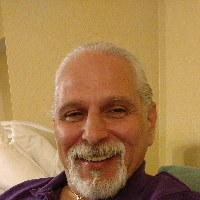
About Joel
He uses straightforward, goal-focused work in sessions. Joel draws on client-centered methods to follow what matters most to each person. He also uses cognitive behavioral tools to spot unhelpful thinking patterns and practical steps to change them.
Joel's background includes long-term roles running clinical programs and residential services. He has held clinical manager and clinical director positions across several treatment facilities in Florida. He has also worked in outpatient care and helped run a transitional living program alongside a colleague.
Across his career he has supported adults and adolescents with addiction and co-occurring conditions such as mood and anxiety disorders. He and his team have delivered trainings for professionals in New York and Florida and have offered family interventions and individual therapy in outpatient settings.
In session Joel focuses on helping people build everyday skills to manage cravings, mood shifts, anger, and impulsivity. He often combines motivational interviewing to clarify goals with narrative and solution-focused ideas to reshape problematic patterns and set practical next steps.
Part 2 of 4
How Joel’s Approaches Translate to Online Work
Joel often blends client-centered therapy and cognitive behavioral therapy to help people make changes that matter. Client-centered therapy means sessions begin by looking at what the person wants to work on and following their priorities. This approach helps when someone needs a respectful space to sort through complex feelings. Cognitive behavioral therapy (CBT) focuses on identifying thinking patterns and testing small behavioral changes to reduce anxiety, depression, or impulsivity. CBT is useful for mood issues, coping with cravings, and managing anger.He also uses motivational interviewing to help people clarify their own reasons for change. This method supports setting realistic goals and building momentum over time. Finding the right mix of approaches is a collaborative process; the therapist will help weigh options based on a person’s goals, preferences, and what has or hasn’t worked before.
Session format details are not specified here, so confirm current options before booking. Online therapy can make it easier to fit care into a busy life by reducing travel time, allowing shorter check-ins, and making it simpler to meet during a break or between appointments. Licensed professionals can still work on goal-setting, behavioral experiments, and skills practice through remote sessions, while tailoring pace and methods to each person’s needs.
Part 3 of 4
Areas of expertise
Primary focus
Also works with
Additional focus areas
Therapeutic approaches
Experience
20+ years
Credentials
Florida
Languages
English
Part 4 of 4
Frequently asked questions
What issues does Joel commonly address?
He works with addiction, stress, anxiety, depression, trauma and abuse, and related issues such as ADHD, grief, intimacy concerns, and parenting strain.
How would you describe his therapy style?
Joel uses a practical, client-centered style. Sessions focus on goals, clear steps, and tools people can use between meetings.
What is his professional background?
He has 20 years of experience in addiction services and clinical leadership roles, including running residential programs and outpatient services.
What credentials and region are listed?
He is a Licensed Mental Health Counselor (LMHC) licensed in Florida and practices in Florida.
Which languages does he offer sessions in?
Sessions are offered in English.
Can international clients work with him?
International clients are not currently accepted.
How are costs handled?
Cost varies with location and therapist availability; sessions use a subscription that can be canceled at any time.
How do I begin therapy with him?
Click the Start Therapy button, complete a short matching questionnaire, and schedule according to therapist availability.