Part 1 of 4
- Person-centered approach
- Hands-on coping skills
- Trauma-informed techniques
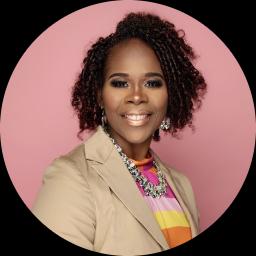
About Holley
Her practice focuses on practical, person-centered work. Sessions prioritize listening and building on each person's strengths. Holley uses techniques from cognitive behavioral therapy to help people notice and change unhelpful thoughts and behaviors. She also draws on trauma-focused methods when past events are getting in the way of daily life.
Holley addresses related concerns such as abandonment, body image, caregiver stress, codependency, commitment and communication problems, control issues, and feelings of emptiness. She also supports people facing divorce, domestic violence aftermath, family of origin difficulties, and guilt or shame. First responder issues and forgiveness are additional areas she attends to.
Her style blends Client-Centered Therapy with solution-focused tools and motivational interviewing. That means sessions are collaborative, goal-oriented, and rooted in the client's values. Holley works with each person to build practical coping skills and to set achievable steps toward change.
People who choose Holley can expect a respectful, culturally aware approach. She emphasizes resilience, self-understanding, and tools that fit real life. To start, clients complete a brief intake so sessions can be scheduled according to therapist availability.
Part 2 of 4
How Holley’s Methods Translate to Online Care
Holley uses Client-Centered Therapy and Trauma-Focused Therapy to guide her work online. Client-Centered Therapy emphasizes listening and respect, helping clients feel heard and understood as they set their own goals. Trauma-Focused Therapy focuses on safely addressing past harms and building skills to reduce their impact on daily life.Choosing the right approach is part of the process. Holley works collaboratively to figure out which methods fit a person's needs, goals, and preferences. She adjusts pacing and tools based on what the client finds most helpful during sessions.
If you are considering online therapy, confirm the session formats available before booking since they are not listed here. Many people find online work helps fit sessions into busy days, makes it easier to keep regular appointments, and lets therapists use worksheets, skill-building exercises, and short check-ins that match real-life schedules. Online sessions can also allow for simpler, focused work when meeting in person is difficult. Licensed professionals help clients translate in-person techniques to the online setting so progress continues across formats.
Part 3 of 4
Areas of expertise
Primary focus
Additional focus areas
Therapeutic approaches
Experience
20+ years
Credentials
Alabama
Languages
English
Part 4 of 4
Frequently asked questions
What concerns does Holley focus on?
She supports people with stress, anxiety, relationship difficulties, trauma and abuse, self-esteem issues, and coping with life changes.
How would you describe her therapy style?
Her style is empathetic and collaborative, using person-centered listening alongside practical, goal-focused work.
What is her background and experience?
Holley has 20 years of counseling experience working with diverse clients on trauma recovery and life transitions.
What credentials and location apply to her practice?
She holds an LPC credential and practices in Alabama.
Which languages are supported and are international clients accepted?
Sessions are offered in English and international clients are accepted.
What session formats are available?
Session formats are not specified here; please confirm current session options with the service before booking.
How does payment and cost work?
Cost varies with location and therapist availability; sessions use a subscription that can be canceled at any time.
How do I begin working with her?
Select the Start Therapy button, complete a short matching questionnaire, and schedule sessions according to therapist availability.