Part 1 of 4
- Addictions support
- Trauma recovery
- Building self esteem
About Frank
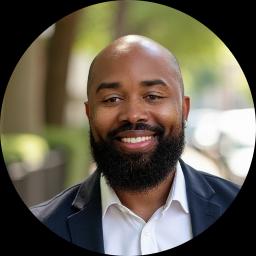
Frank believes each person knows their own story and brings strengths into therapy. He uses that belief to guide practical conversations and goal-setting. Sessions focus on building motivation, improving confidence, and managing strong feelings so people can make real changes.
His approach is collaborative and straightforward. He listens first, then helps clients try small, doable steps between sessions. Frank emphasizes clear goals and skills people can use in day-to-day life to handle triggers, rebuild trust, or reduce risky behavior.
Clients can expect a calm, respectful space where the therapist asks questions and offers feedback. He encourages tracking progress and adjusting the work as needs change. The aim is steady improvement rather than quick fixes.
Frank’s work includes attention to issues common to veterans and armed forces, midlife transitions, and personality-related struggles. He does not diagnose or promise specific outcomes, but he supports people who want to explore change and build more satisfying relationships and self-trust.
Part 2 of 4
How therapeutic approaches fit into online work
Many of the methods Frank uses focus on practical, evidence-based techniques that help people manage strong emotions and change behavior. One common approach teaches concrete skills for handling anger, cravings, and impulsive urges so clients can respond differently in triggering moments. Another approach centers on rebuilding trust and improving closeness by addressing attachment and intimacy patterns through clear communication exercises and step-by-step behavior changes.Finding the right approach is part of the work. Frank collaborates with each person to identify goals and preferences, then chooses or adapts methods that match those goals. That means the plan may shift as progress is made and new needs appear.
The original biography does not list specific online session formats, so confirm current options before booking. In general, online work can make it easier to fit therapy into a busy life by removing commute time and allowing sessions during lunch breaks or after work. It can also let people use shorter check-ins when that helps maintain momentum. Licensed professionals can tailor exercises and between-session tasks to suit each person’s routine, which helps apply what’s learned to real situations.
Part 3 of 4
Areas of expertise
Primary focus
Additional focus areas
Experience
6+ years
Credentials
California
Languages
English
Part 4 of 4
Frequently asked questions
What concerns does Frank help with?
He works with adults facing addictions, trauma and abuse, intimacy-related issues, anger, and low self-esteem. Additional areas include attachment, infidelity, fatherhood issues, and traumatic brain injury.
How would you describe his therapeutic style?
His style is collaborative and plainspoken. He listens, sets clear goals with clients, and focuses on practical steps to improve confidence and manage strong emotions.
What is his clinical background?
He holds six years of professional experience working with the issues listed in his profile. He emphasizes motivation, day-to-day skills, and measurable progress.
What credentials and location are listed?
He is a Licensed Marriage and Family Therapist, LMFT, licensed in California. His practice is based in that state.
Which languages are supported for sessions?
Sessions are offered in English.
What session formats are available?
The original biography does not specify session formats. Please confirm current session options before booking.
How are costs handled?
Cost varies with location and therapist availability. Sessions use a subscription that can be canceled at any time.
How do I begin working with Frank?
Choose the Start Therapy button, complete a short matching questionnaire, and schedule according to therapist availability.