Part 1 of 4
- Values-based focus
- Practical strategies
- Mindfulness informed
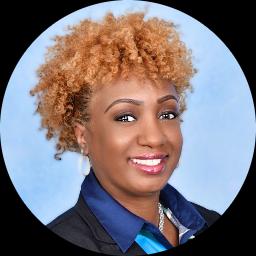
About Dwanne
Dwanne uses practical, goal-focused conversation to help people move forward. She draws on Acceptance and Commitment Therapy to help clients notice what matters most and take small steps toward it. Cognitive Behavioral Therapy is part of her approach when people need to change patterns of thinking or behavior. She also uses client-centered and mindfulness-based techniques to slow things down and make space for new choices.
Her background includes five years of direct therapy experience. The credential LCSW stands for Licensed Clinical Social Worker and CSW is Clinical Social Worker. She holds Florida licensure as an LCSW and also holds LCSW registration in Georgia as noted in her profile. Those credentials support her clinical practice in the region.
In sessions she aims to help clients identify strengths and build practical strategies. That might look like short behavioral experiments, values-based goal setting, or skills to manage intense emotions. She frames change as a step-by-step process and partners with clients on what feels realistic for their lives.
People often begin by naming one or two problems they want to change. Dwanne then helps turn those concerns into clear, manageable goals and works with clients until they feel more confident handling challenges.
Part 2 of 4
How certain approaches translate to online care
Acceptance and Commitment Therapy helps people identify what matters and take small actions toward those values. Online sessions can support this by using short, focused tasks and follow-up between meetings. Cognitive Behavioral Therapy focuses on identifying unhelpful thoughts and testing new behaviors; it often uses concrete exercises and homework that translate well to virtual conversation and shared planning. Client-Centered Therapy emphasizes listening and empathy to help clients feel heard and understood, which is central whether work happens in person or online.Choosing the right approach is a joint process. The therapist will talk with each person about their goals, preferences, and how they like to work. Together they will try methods and adjust them until something fits the client's needs and daily life.
Practical benefits of online therapy can include fitting sessions into a busy schedule, shorter check-ins when time is limited, and the ability to meet without travel. The profile does not list specific session formats, so confirm current session options before booking. Online work can still include structured skills practice, values-based planning, and behavioral experiments that are shared and reviewed during sessions.
Part 3 of 4
Areas of expertise
Primary focus
Also works with
Additional focus areas
Therapeutic approaches
Experience
5+ years
Credentials
Florida, Georgia
Languages
English
Part 4 of 4
Frequently asked questions
What kinds of concerns can I bring to therapy?
You can bring stress, anxiety, depression, relationship and family concerns, grief, trauma and abuse, self-esteem and intimacy issues, sleep problems, parenting strain, ADHD, bipolar challenges, compassion fatigue, career questions, and many related worries.
What is the therapist's style in sessions?
Sessions focus on practical conversation and collaboration. The therapist uses values work, skills practice, and gentle reflection to help clients set small, achievable goals.
How much clinical experience does she have?
She has five years of direct therapy experience supporting people with a broad range of issues and life transitions.
What are her credentials and where is she based?
She is a Licensed Clinical Social Worker, LCSW, and a Clinical Social Worker, CSW. Her practice is based in Florida and she also holds LCSW registration in Georgia as listed.
Which languages are supported for sessions?
Sessions are offered in English.
Can people outside the United States sign up?
International clients are not currently accepted; sessions are offered to clients within the supported region.
How does payment and cost work?
Cost varies with location and therapist availability; sessions use a subscription model that can be canceled at any time.
How do I begin working with this therapist?
Click the Start Therapy button, complete a short matching questionnaire, and then schedule appointments according to the therapist's availability.