Part 1 of 4
- Person-centered care
- Practical skills
- Values focused
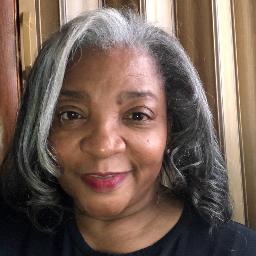
About Diseree
She draws on a mix of person-centered, cognitive, and emotion-focused ideas. Sessions usually focus on identifying what matters to the client, building useful skills for day-to-day life, and working through painful memories or relationship patterns. Expect straightforward conversation, active listening, and gentle guidance toward realistic goals.
Diseree has worked with a wide range of life stages and situations over her career. That background informs how she adapts methods to each person's needs. She emphasizes small, achievable changes and pays attention to emotional experience as well as behavior.
Her approach often includes skills from Cognitive Behavioral Therapy and Dialectical Behavior Therapy to manage difficult thoughts and strong emotions. Acceptance and Commitment Therapy ideas help clarify values and purposeful action. Emotion-focused work supports deeper relationship and attachment concerns.
People who prefer a collaborative, accepting therapist may find her style reassuring. She encourages clients to notice their own strengths and to build on them step by step. To begin, prospective clients complete a short matching questionnaire and schedule sessions according to availability.
Part 2 of 4
Approaches that guide online sessions
Acceptance and Commitment Therapy (ACT) helps people clarify what matters most and take small steps toward those values despite difficult thoughts or feelings. It is useful for stress, anxiety, and making life changes. Cognitive Behavioral Therapy (CBT) focuses on spotting unhelpful thinking patterns and testing new behaviors to reduce symptoms like anxiety or low mood. It often includes practical exercises to do between sessions. Emotionally-Focused Therapy (EFT) supports people working on relationship and attachment issues by helping them name feelings and shift interaction patterns to feel safer and more connected.Finding the right approach is part of the work. The therapist collaborates with each person to choose methods that match goals, preferences, and the problem at hand. Sessions can mix techniques so care stays focused on what helps most in day-to-day life.
Confirm the specific online session options before booking so you know which formats are available. Online work can make it easier to fit therapy into a busy schedule, reduce travel time, and allow shorter check-ins when needed. It also lets people use skill practice in their real environments and bring immediate examples to sessions for discussion.
Part 3 of 4
Areas of expertise
Primary focus
Also works with
Additional focus areas
Therapeutic approaches
Experience
40+ years
Credentials
Michigan
Languages
English
Part 4 of 4
Frequently asked questions
What concerns does she help with?
She works with many issues including stress, anxiety, depression, grief, relationship and intimacy concerns, addictions, ADHD, parenting challenges, and trauma and abuse.
How would you describe her therapy style?
Her style is warm, interactive, and supportive. She blends person-centered listening with practical skill-building and emotional work.
What kind of experience does she bring?
She brings 40 years of clinical experience working with a broad range of life stages and concerns.
What are her credentials and where is she located?
She is a Licensed Masters Social Worker, LMSW, practicing in Michigan.
Are sessions offered in other languages or internationally?
Sessions are offered in English. International clients are not currently accepted.
What session formats are available?
Confirm current session options before booking so you know which formats are offered for scheduling.
How is cost handled?
Cost varies with location and therapist availability and sessions use a subscription that can be canceled at any time.
How do I start a first session?
Use the Start Therapy button, complete a short matching questionnaire, and schedule according to the therapist's availability.