Part 1 of 4
- Trauma-informed care
- Substance use focus
- Goal oriented
About Dion
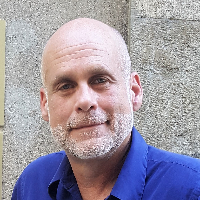
Dion frames work around each person's goals. He listens first, then designs a plan that matches practical needs. That plan can include breathing and mindfulness exercises, skill building for stress and emotion management, and focused work on patterns that keep problems intense.
His background includes early work in school psychology and later practice as a Licensed Professional Counselor. Over the years he has supported people affected by trauma and substance use, and he has provided services tied to Department of Defense programs related to military life and reintegration concerns.
When trauma is part of the picture, he combines trauma-aware cognitive-behavioral strategies with eye movement reprocessing and experiential exercises. He also uses client-centered strategies to keep sessions grounded in what matters most to the person in front of him.
Dion also offers assessment and referral guidance when other services could help. He aims to help clients build clearer coping skills, better sleep routines, and healthier relationships with themselves and others. The work focuses on small, doable steps toward the outcomes the client wants.
Part 2 of 4
How therapeutic approaches shape online work
Client-centered therapy focuses on the person's experience and priorities, encouraging open conversation and collaboration to set goals and pacing. It helps when someone needs a nonjudgmental space to sort out feelings and choices. Cognitive Behavioral Therapy (CBT) breaks down unhelpful thoughts and behaviors into manageable steps and teaches practical skills for anxiety, depression, sleep, and coping. It is useful when someone wants clear tools and homework to practice. Eye Movement Reprocessing and Desensitization (EMDR) targets traumatic memories with structured protocols that can reduce the intensity of those memories and associated reactions.Finding the right method is part of the work. The therapist will discuss options and tailor methods based on the person's needs, goals, and preferences. That collaborative process may mix approaches so the client learns both coping skills and ways to process painful experiences.
Session logistics should be confirmed before booking because formats were not specified in the biography. Online therapy can make it easier to fit sessions into a busy life by removing travel time, allowing shorter check-ins when needed, and offering choices that match a person's schedule or bandwidth. Talk with the therapist during the matching process to clarify which session formats are offered and what will work best for your situation.
Part 3 of 4
Areas of expertise
Primary focus
Also works with
Additional focus areas
Therapeutic approaches
Experience
10+ years
Credentials
Texas
Languages
English
Part 4 of 4
Frequently asked questions
What concerns does this therapist address?
Dion works with a wide range of issues including trauma, alcohol and drug use, anxiety, depression, stress, grief, relationship and intimacy concerns, ADHD, and caregiver or first responder stress.
What is the therapist's general approach in sessions?
He starts by listening and then builds a plan tailored to the person's goals. Sessions can include mindfulness exercises, skill building, and targeted trauma work.
How much experience does the therapist have?
He has 10 years of counseling experience, plus earlier work beginning in 1994 in school psychology that informs his current practice.
What credentials and location are listed?
Dion holds the LPC credential and practices in Texas as a Texas LPC.
Which languages are supported and are international clients accepted?
Sessions are offered in English and international clients are not currently accepted.
What session formats are available?
The original biography does not specify session formats; confirm current session options with the service before booking.
How does pricing work for sessions?
Cost varies with location and therapist availability, and sessions use a subscription that can be canceled at any time.
How do I begin working with this therapist?
Use the Start Therapy button, complete a short matching questionnaire, and schedule according to the therapist's availability.