Part 1 of 4
- Relationship support
- Trauma-informed care
- Addiction help
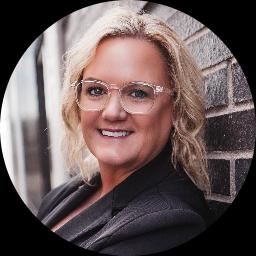
About Dianne
Her style is warm and interactive. She treats people with respect and avoids stigmatizing labels. Sessions focus on practical conversation and steps clients can try between meetings.
In sessions she draws on approaches such as cognitive behavioral work, attachment-focused ideas, and emotionally-focused techniques to match what each person needs. She adapts language and pace so discussions stay clear and useful for daily life.
Dianne has worked with a wide range of concerns including bipolar disorder, ADHD, grief, anger, and identity matters related to LGBT clients. She also addresses topics like body image, chronic illness and disability, adoption and foster care, and codependency. The goal is to help people rebuild confidence and manageable routines.
Over her career she has learned to blend practical skills with deeper relationship and emotion-focused work. She invites people to take small steps toward change and supports them as they try new coping strategies. To start, she helps set clear goals and a plan that fits each person’s life.
Part 2 of 4
How therapeutic approaches guide online work
Attachment-Based Therapy looks at how early bonds shape current relationships and emotions. In practice this means talking about patterns in close relationships and trying new ways of connecting and responding. Cognitive Behavioral Therapy, or CBT, focuses on identifying unhelpful thoughts and testing new behaviors. It often includes simple exercises to try between sessions to reduce anxiety or depressive symptoms.Finding the right approach is part of the work. The therapist will talk with each person about goals, preferences, and what has or hasn't helped before. Together they decide which methods to try and adjust the plan as progress is made.
The profile does not list specific session formats, so confirm available options before booking. Online therapy can make it easier to fit sessions into a busy life, reduce travel time, and allow for quicker check-ins during a work break. It can also let therapists use worksheets, guided exercises, and shared plans that clients can access between meetings. Ask about scheduling and the formats offered so sessions match daily routines and goals.
Part 3 of 4
Areas of expertise
Primary focus
Also works with
Additional focus areas
Therapeutic approaches
Experience
20+ years
Credentials
Kansas
Languages
English
Part 4 of 4
Frequently asked questions
What kinds of problems does Dianne focus on?
She works with depression, anxiety, relationship and parenting concerns, trauma and emotional abuse, addictions, ADHD, grief, and related issues listed in her specialties.
What is her therapeutic style like?
Her style is warm and interactive. Sessions focus on respectful conversation, practical steps, and tailoring the plan to each person.
How much experience does she have?
She has 20 years of experience practicing as a therapist and has worked with many concerns across mental health and relationship areas.
What are her credentials and where is she located?
She is a LCMFT, licensed in Kansas. The credential stands for Licensed Clinical Marriage and Family Therapist.
Can I work with her if I live outside the United States?
She accepts international clients. Sessions are offered in English.
What session formats are available?
The original profile does not list specific session formats. Please confirm current session options before booking.
How does billing and cost work?
Cost varies with location and therapist availability. Sessions use a subscription that can be canceled at any time.
How do I begin working with her?
Select the Start Therapy button, complete a short matching questionnaire, and schedule according to therapist availability.