Part 1 of 4
- Person-centered care
- Practical coping skills
- Inclusive approach
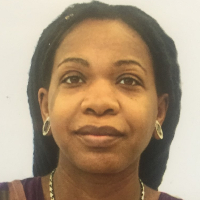
About Christal
She practices person-centered care, which means sessions focus on the client's goals and pace. Cognitive Behavioral Therapy is part of her toolbox to help identify patterns and try different ways of thinking and behaving. She also draws on Acceptance and Commitment Therapy and Dialectical Behavior Therapy skills for coping and emotional regulation when needed.
Christal notes experience supporting people from marginalized and alternative communities. She seeks to understand each person's background and identity without judgment. That perspective informs how she listens and plans work together.
Her training includes a master's degree in Clinical Mental Health and a Texas LPC credential. She has four years of clinical experience working with issues such as anxiety, trauma and abuse, depression, addiction, grief, parenting concerns, and ADHD among others.
Sessions are offered in English. She accepts international clients and uses a subscription model that can be canceled at any time. Before booking, readers should confirm current session formats and scheduling options.
Part 2 of 4
How therapy approaches guide online care
Acceptance and Commitment Therapy (ACT) helps people notice difficult thoughts and feelings without getting stuck on them, then choose actions that match their values. It can help with anxiety, depression, and coping with life changes. Cognitive Behavioral Therapy (CBT) focuses on spotting unhelpful thought patterns and testing new behaviors to reduce distress and improve daily functioning. It is often useful for anxiety, mood issues, and stress management. Dialectical Behavior Therapy (DBT) offers skills for managing strong emotions, improving distress tolerance, and strengthening interpersonal effectiveness, which can help with anger, emotion regulation, and relationship strain.Finding the right approach is part of the work together. The therapist will talk with the client about goals, preferences, and what feels most helpful. Decisions about methods are collaborative and can be adjusted as progress is made.
The original biography does not list explicit online session formats, so confirm available options before booking. Many people find online therapy helpful because it can fit into busy schedules, reduce travel time, and allow check-ins from different locations. Phone sessions can be useful when bandwidth is limited or for brief check-ins, while video can support face-to-face interaction when desired. Licensed professionals can tailor session length and focus to fit a client's routine and needs.
Part 3 of 4
Areas of expertise
Primary focus
Also works with
Additional focus areas
Therapeutic approaches
Experience
4+ years
Credentials
Texas
Languages
English
Part 4 of 4
Frequently asked questions
What kinds of problems does Christal help with?
She works with a wide range of concerns including stress, anxiety, trauma and abuse, depression, addictions, grief, parenting issues, ADHD, and relationship and career stress.
How would you describe her therapeutic style?
Her style is person-centered and inclusive, focusing on the client's goals. She uses practical techniques from CBT, ACT, and DBT to help people manage symptoms and try new skills.
What is her clinical background?
She holds a master’s degree in Clinical Mental Health and has four years of clinical experience working with diverse populations and communities.
What credentials and region does she practice under?
She is a Licensed Professional Counselor (LPC) licensed in Texas and bases her practice in that state.
In which languages can sessions be held?
Sessions are offered in English, and she also accepts international clients.
What formats are available for sessions?
The original biography does not list specific session formats. Please confirm the current session options with the booking process before scheduling.
How is payment handled and what does it cost?
Cost varies with location and therapist availability. Therapy uses a subscription that can be canceled at any time.
How do I begin working together?
Start by selecting the Start Therapy button, completing a short matching questionnaire, and then schedule according to the therapist's availability.