Part 1 of 4
- LMFT
- Practical skill focus
- Trauma and grief
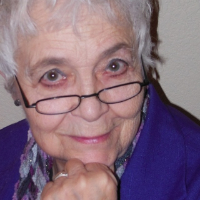
About Carol
Dr. Carrell uses several approaches rather than a single method. She draws on client-centered work to follow what matters most to the person. She uses Cognitive Behavioral Therapy to identify unhelpful thoughts and test new behaviors. Dialectical Behavior Therapy skills and Emotionally-Focused ideas help with strong emotions and repairing important relationships.
Her background includes long experience with people affected by medical illness, caregiver stress, and chronic pain. She has worked with LGBTQ clients on coming out, with people facing addiction, and with those coping after trauma or abuse. She has also supported individuals dealing with work stress, sleep problems, and life transitions.
In sessions she focuses on clear communication, practical tools, and building the strengths people already have. She pays attention to how family patterns and past experiences shape current problems. Treatment plans are collaborative and paced to fit each person’s needs.
Dr. Carrell practices in California and brings perspective from many years as a counselor, professor, and clinical supervisor. She encourages clients to treat therapy as a place to try new skills and to move toward the changes they want.
Part 2 of 4
How these approaches translate to online work
Client-Centered Therapy is about focusing on the person’s experience and following what they say matters most; online sessions let conversations stay focused on personal goals and values. Cognitive Behavioral Therapy (CBT) looks at thoughts and behaviors and gives concrete exercises to try between sessions, which can be shared and practiced in everyday life. Dialectical Behavior Therapy (DBT) offers skills for handling intense emotions and improving stress tolerance, with clear tools that can be used between meetings.Finding the right approach is part of the work together. The therapist will talk with the client about what feels most helpful and try different methods as needed. Decisions about pacing, homework, and skills practice are made collaboratively to match each person’s goals and daily routine.
Confirm the exact session formats before booking, as the biography does not list specific online options. Online therapy can make it easier to fit sessions into a busy life, reduce travel time, allow shorter check-ins when needed, and let people practice skills in the settings where problems actually occur. Licensed professionals can help plan how to use session time and between-session practice so therapy supports real-world change.
Part 3 of 4
Areas of expertise
Primary focus
Also works with
Additional focus areas
Therapeutic approaches
Experience
30+ years
Credentials
California, Arizona
Languages
English
Part 4 of 4
Frequently asked questions
What kinds of problems does she help with?
She works with stress, anxiety, depression, relationship issues, trauma and abuse, addiction, caregiver fatigue, grief, sleep problems, and related concerns.
What is her approach in sessions?
Sessions focus on listening first, then setting clear, practical goals. She uses a mix of client-centered work, CBT, DBT skills, and emotionally-focused methods to match each person’s needs.
How long has she been practicing?
She has 30 years of experience as a counselor and has also worked as a professor and clinical supervisor.
Where is she licensed and practicing?
She holds LMFT credentials and practices in California, with licenses referenced as CA LMFT and AZ LMFT in her background.
Which languages are offered for sessions?
Sessions are offered in English.
Can people outside the United States work with her?
She is not taking international clients.
How does payment and cost work?
Cost varies by location and therapist availability; sessions use a subscription that can be canceled at any time.
How do I begin if I want to work together?
Click the Start Therapy button, complete a short matching questionnaire, and schedule according to the therapist’s availability.