Part 1 of 4
- Collaborative goal setting
- Trauma-informed perspective
- Practical skill building
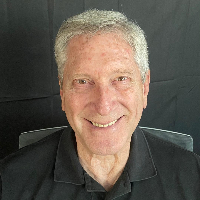
About Brian
He uses a collaborative style where goals are set together with each person. Sessions focus on practical steps, clarifying strengths, and building skills that fit daily life. He draws on several approaches rather than one fixed method, and he adjusts the work to what each person needs.
His background includes long-term practice across many settings and time spent living overseas, which has informed his awareness of cultural differences. He has worked with adults who have experienced military and sexual trauma, and with people coping with chronic illness and caregiving demands.
In sessions he helps people make changes they have tried but not yet achieved. Conversations include problem solving, emotion work, and finding patterns that get in the way. He emphasizes recognizing existing strengths and creating strategies to use them more effectively.
For those beginning therapy, he asks clients to describe their goals so sessions stay focused. He welcomes straightforward talk about what is and isn't helping, and he partners with people who want to make measurable change.
Part 2 of 4
How core approaches are used in online work
Client-Centered Therapy emphasizes listening and following the person's pace; the therapist focuses on understanding the client's concerns and helping them choose goals that feel right. This approach is useful when someone needs a safe space to sort through strong feelings or life transitions.Cognitive Behavioral Therapy, or CBT, focuses on identifying unhelpful thought and behavior patterns and practicing concrete skills to change them. It is often used for anxiety, depression, sleep problems, and managing stress because it gives clear steps people can try between sessions.
Emotionally-Focused Therapy helps people clarify and shift emotional responses in close relationships. It can be helpful when intimacy, communication, or recurring conflicts are the main concern.
Choosing the best approach is a team effort. The therapist will talk with each person about goals, preferences, and past experiences and then recommend one or a combination of approaches. That plan can change as progress is made and new needs appear.
Online therapy can make it easier to fit sessions into a busy life, such as reducing travel time or allowing shorter check-ins during a workday. Different formats can also help when someone prefers audio-only conversation or needs a session that uses less bandwidth. Because the therapist's session formats are not listed in the profile, confirm current session options before booking to match the practical needs of scheduling and technology.
Part 3 of 4
Areas of expertise
Primary focus
Also works with
Additional focus areas
Therapeutic approaches
Experience
45+ years
Credentials
California
Languages
English
Part 4 of 4
Frequently asked questions
What concerns does he help with?
He works with relationship problems, trauma and abuse, depression, anxiety, stress, grief, parenting and sleep issues among others listed in his profile.
What is his therapy style like?
He takes a collaborative, client-centered approach and focuses on clear goals, practical steps, and using a mix of methods to fit each person's needs.
How long has he been practicing?
He brings 45 years of professional experience as a social worker to his clinical work in California.
What are his credentials and location?
He is a Licensed Clinical Social Worker (LCSW) practicing in California.
Which languages are available for sessions?
Sessions are offered in English.
Can people from other countries work with him?
International clients are not currently accepted.
How are sessions paid for and what do they cost?
Cost varies with location and therapist availability; sessions use a subscription that can be canceled at any time.
How do I begin therapy with him?
Click the Start Therapy button, complete a short matching questionnaire, and schedule according to therapist availability.