Part 1 of 4
- Warm collaborative style
- Practical coping skills
- Relationship focus
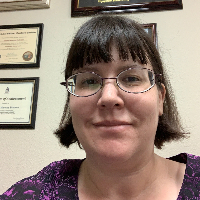
About Bethany
In sessions she keeps the tone warm and relaxed. She works together with clients to set clear goals and build skills. Bethany uses practical strategies so people can try small changes between meetings and notice what helps.
Her background includes a master’s degree in psychology and a bachelor’s degree in social work, with extended training in trauma, post-traumatic stress, anxiety disorders, and depression. She has experience supporting first responders and veterans and understands how stressors from caregiving, medical issues, and major life changes affect day-to-day functioning.
Bethany draws from several therapy approaches, including attachment-based work, cognitive behavioral techniques, dialectical behavior strategies, and solution-focused methods. She aims to match tools to each person’s situation rather than using one fixed method.
Typical work in sessions includes identifying unhelpful patterns, practicing communication and coping skills, and planning steps that fit the client’s life. She also addresses family and blended-family concerns, abandonment or attachment issues, codependency, and the emotional effects of divorce or loss. Her style is collaborative and goal-oriented, with an emphasis on skills people can use right away.
Part 2 of 4
How Bethany’s Approaches Translate to Online Work
Attachment-based work focuses on how early relationships shape current bonds. It helps people notice patterns in connection and try new ways of relating to partners or family members. Cognitive Behavioral Therapy, or CBT, looks at how thoughts, feelings, and actions link together and teaches tools to change unhelpful thinking and behavior. Dialectical Behavior Therapy, or DBT, emphasizes emotion regulation, distress tolerance, and clearer communication skills to reduce overwhelm and reactivity.Finding the right approach is part of the process. The therapist will work together with each person to choose methods that match their goals, needs, and preferences. That collaborative planning can include trying an approach for a few sessions and adjusting based on what helps.
The practical benefits of online therapy can include fitting sessions into a busy schedule and keeping progress consistent during life changes. Because the biography does not list specific session formats, confirm current options before booking. Online work can make it easier to keep follow-up meetings, practice skills between sessions, and check in quickly when a shorter conversation is needed.
Part 3 of 4
Areas of expertise
Primary focus
Also works with
Additional focus areas
Therapeutic approaches
Experience
16+ years
Credentials
California
Languages
English
Part 4 of 4
Frequently asked questions
What concerns does Bethany help with?
She supports people with trauma and abuse, anxiety, depression, relationship and family issues, parenting stress, grief, and related concerns like ADHD, bipolar mood issues, and compassion fatigue.
How would she describe her approach in sessions?
Her style is warm and relaxed and focused on collaboration. She works with clients to set goals and practice small, practical changes between meetings.
What experience does she bring?
She has 16 years of clinical experience, including work with first responders and veterans, and extended training in trauma, PTSD, anxiety disorders, and depression.
What credentials and location are listed?
She holds the LMFT credential and practices in California.
Which languages are supported and can people outside the U.S. work with her?
Sessions are offered in English. International clients are not currently accepted.
What session formats are available?
The original biography does not specify session formats; please confirm current session options before booking.
How is cost handled for sessions?
Cost varies with location and therapist availability, and sessions use a subscription that can be canceled at any time.
What are the steps to begin therapy?
Use the Start Therapy button, complete a short matching questionnaire, and schedule according to the therapist's availability.