Part 1 of 4
- CBT and DBT approaches
- Goal focused work
- Trauma-informed care
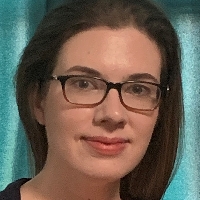
About Ashley
Her approach emphasizes thinking patterns and behavior. She uses Cognitive Behavioral Therapy to help people notice how thoughts influence feelings and actions. She also draws on Dialectical Behavior Therapy skills, mindfulness practices, and motivational interviewing to support coping and problem solving.
Ashley aims to make sessions feel calm and direct. She encourages people to tell their stories at their own pace and supports trauma narratives when clients are ready. The focus is on finding realistic, achievable changes that improve mood and relationships.
Her background is in community mental health in West Virginia, where she has worked with people across many ages and needs. That work included supporting people with bipolar disorder, eating concerns, addictions, grief, and chronic health challenges. She brings a social work perspective that connects personal goals to family and community needs.
People can expect an engaged therapist who blends practical skills with compassionate listening. Ashley combines evidence-informed methods with attention to the client’s priorities. She helps people map out steps they can try between sessions to build steadier progress.
Part 2 of 4
How Ashley’s Approaches Shape Online Therapy
Ashley uses Cognitive Behavioral Therapy to help people spot unhelpful thoughts and try small behavior changes that can ease symptoms. This approach is useful for anxiety, depression, sleep problems, and many everyday stressors.She also integrates Dialectical Behavior Therapy skills and mindfulness practices to teach emotion regulation, distress tolerance, and present-moment awareness. These tools help when intense emotions, relationship strain, or impulsive behaviors get in the way of daily life.
Choosing the right approach is a team effort. Ashley will work with the client to identify goals and test which methods feel most useful. That might mean practicing new skills in session, trying short experiments between sessions, and adjusting the plan as progress is tracked.
The practical benefits of online work include fitting sessions into a busy schedule and keeping continuity when life is unpredictable. Because the original biography did not list specific session formats, confirm which delivery options are available before booking. The focus is on making therapy manageable and relevant so people can use skills in their everyday routines.
Part 3 of 4
Areas of expertise
Primary focus
Also works with
Additional focus areas
Therapeutic approaches
Experience
7+ years
Credentials
West Virginia, Virginia
Languages
English
Part 4 of 4
Frequently asked questions
What concerns does Ashley address in therapy?
She supports people dealing with stress, anxiety, depression, trauma and abuse, relationship and family issues, grief, addictions, eating and sleeping problems, and many related concerns.
How would you describe her therapy style?
Ashley uses a practical, calm style that focuses on small changes. Sessions blend skills practice, problem solving, and time to tell your story.
What kind of experience does she bring?
She has seven years of experience working in community mental health in West Virginia with people from many backgrounds and age groups.
What credentials and location are listed for Ashley?
She holds LICSW and LCSW credentials and practices in West Virginia.
Which languages are supported for sessions?
Sessions are offered in English.
What session formats are available?
The original biography did not specify session formats; please confirm current session options before booking.
How does pricing work for therapy sessions?
Cost varies with location and therapist availability; sessions use a subscription that can be canceled at any time.
How do I begin working with Ashley?
Select the Start Therapy button, complete a short matching questionnaire, and schedule according to the therapist's availability.