Part 1 of 4
- Client-centered
- CBT and DBT
- Trauma-aware
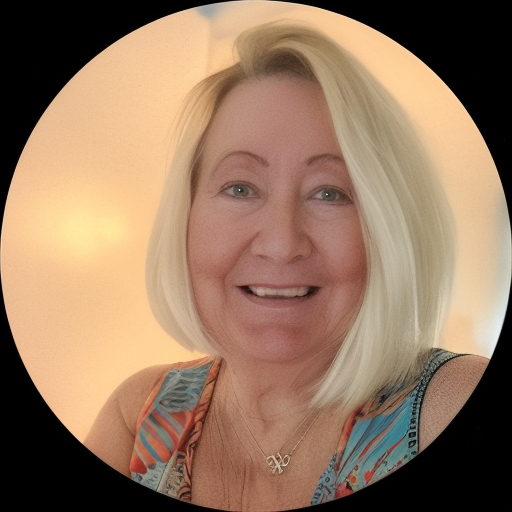
About Anna
Her approach is straightforward and person-focused. Sessions start by identifying what matters most to the client and clarifying goals. She uses plain explanations and hands-on tools to build motivation and healthier habits. Clients can expect a mix of talking, skill practice, and simple education about how thoughts and behaviors interact.
Anna draws from Client-Centered Therapy to create a respectful, listening space. She pairs that with Cognitive Behavioral Therapy to spot and change negative thinking patterns. Dialectical Behavior Therapy strategies and mindfulness practices are used when emotional regulation and distress tolerance are needed.
Over two decades in practice have shaped a flexible style that blends mind, body, and spirit perspectives. Anna mentions using psychoeducation and a holistic outlook to help people balance life demands and personal wellbeing. The work focuses on concrete steps toward clearer priorities, improved communication, and more reliable coping skills.
Based in Florida as an LMHC, she encourages clients to set small achievable goals and revisit them often. Prospective clients are invited to consider what they want to change and to bring that into the first conversation.
Part 2 of 4
How Anna’s approaches translate to online work
Anna uses Client-Centered Therapy to build a collaborative relationship where the client's goals guide the work. This approach focuses on listening, reflection, and making sure the plan fits the person's needs and values.She also draws on Cognitive Behavioral Therapy, which looks at how thoughts, feelings, and actions connect. CBT offers step-by-step tools for managing anxiety, depression, and unhelpful thinking patterns that people can practice between sessions.
Finding the right approach is part of the process. The therapist will check in about goals and preferences, then adapt methods together. Clients and therapist decide collaboratively which techniques to try and which to keep or change as work progresses.
Session format details were not specified in the biography, so please confirm the current options before booking. Online therapy can make it easier to fit sessions into a busy life - it may reduce travel time, allow shorter check-ins when needed, and make scheduling around work or caregiving easier. Licensed professionals can guide how to use skills between appointments so therapy connects with everyday routines and practical needs.
Part 3 of 4
Areas of expertise
Primary focus
Also works with
Additional focus areas
Therapeutic approaches
Experience
26+ years
Credentials
Florida
Languages
English
Part 4 of 4
Frequently asked questions
What concerns does she address?
She helps with stress, anxiety, addictions, grief, depression, and related issues such as self-esteem and sleep problems.
What is her therapeutic style?
Her style is person-centered and practical, emphasizing clear goals, skill practice, and straightforward psychoeducation.
How much experience does she have?
She has 26 years of counseling experience working with a range of emotional and life challenges.
What are her credentials and location?
She is an LMHC licensed in Florida and practices from that state.
Which languages are supported?
Sessions are offered in English.
What session formats are available?
Session formats are not specified in this biography; please confirm current options before booking.
How does pricing work?
Cost varies with location and therapist availability; sessions use a subscription that can be canceled at any time.
How do I begin therapy?
Select the Start Therapy button, complete the short matching questionnaire, and schedule according to therapist availability.